
British Culture Explained Simply: A Local Guide to Everyday Life in the UK
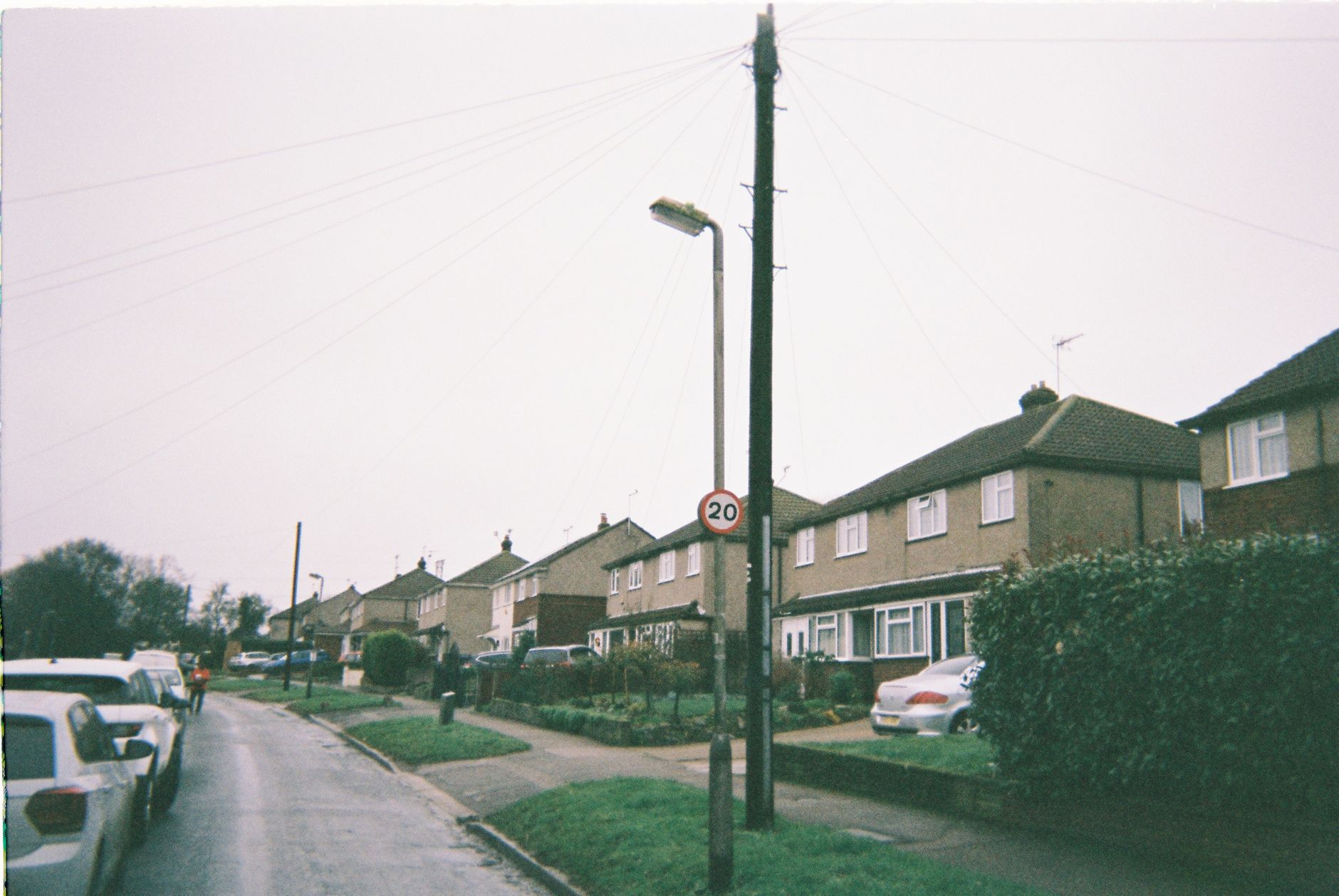
Ask ten people in Essex what defines this country and you will get ten answers, which is exactly why british culture explained simply is such a useful starting point. British culture explained simply means looking past the postcards — the guardsmen, the teapots, the drizzle — and examining the habits that actually shape a week in a town like Brentwood, Chelmsford or Colchester. It covers how people queue, how they greet neighbours, what appears on the table on a Sunday, which sports fill the calendar, and how much of the household budget disappears into the family dog. None of it is mysterious once you see the pattern. Roughly a third of UK households keep a pet, a pub pint sits somewhere between £4.50 and £6.50 depending on region, and a roast dinner for four rarely costs under £30 to cook at home. Those numbers explain more than any tourist brochure ever will.
British Culture Explained Simply: The Rituals That Run the Week
Queueing is the first rule anyone notices. People form a line at bus stops, bars and post office counters without being asked, and jumping it draws a sharper reaction than swearing does. The queue is a small contract about fairness, and it reveals a wider habit: rules followed voluntarily carry far more weight here than rules that need enforcing.
Apology works as a lubricant rather than an admission of fault. Sorry can mean excuse me, I did not hear you, you are standing on my foot, or simply move please. Counting the sorries during a ten-minute train journey into Liverpool Street is a reliable measure of how crowded the carriage has become that morning.
Weather talk remains the standard opening move. It is low-risk, universally shared and demands no personal disclosure, which suits a culture that warms slowly. A neighbour who discusses drizzle with you for six months may eventually invite you to a barbecue, and that invitation carries considerably more meaning than a casual one would elsewhere.
Understatement Is the Tone Underneath Everything
Not bad means good. A bit of a nightmare means a disaster. Interesting frequently means wrong. Learning to scale statements up by one or two notches removes most of the confusion newcomers feel during their first year, and it explains why direct praise can sound faintly embarrassing to the person receiving it.
Class, Accents and Regional Identity
Accent still carries information, though far less than it did two generations ago. Estuary English dominates Essex and east London, softening consonants and flattening vowels. Within forty miles you will hear Cockney, Suffolk burr and clipped Home Counties received pronunciation, and most people can place a stranger within a county after roughly thirty seconds of conversation.
Class markers survive in small details rather than income brackets. The word used for the midday meal, whether a house has a lounge or a sitting room, which supermarket the weekly shop comes from — these signal background more reliably than a salary does. Few people discuss the subject openly, yet almost everyone reads the signals fluently.
Regional pride is fierce and mostly affectionate. Essex residents mock the reality-television caricature while defending the county to outsiders, much as Yorkshire, Scouse and Geordie identities operate. Football allegiance, inherited from a parent and never renegotiated, remains the single strongest tribal marker in most towns across the country.
The British Household: Dogs, Gardens and Weekend Routines
Domestic life revolves around a small garden, a kettle and an animal. Around twelve million UK households keep a dog, and the walk structures the day for millions of people: before work, after school, twice on Saturday. The local park at 8am is the most reliable social network any English town possesses.
Bulldogs sit close to the centre of that story. Search behaviour is revealing — buyers type french bulldog puppy for sale, then puppy french bulldog for sale, then puppy for sale french bulldog, chasing the same litter three different ways in a single evening. The flat-faced Frenchie has topped registration tables for years, while the traditional British bulldog remains national shorthand for stubborn good humour.
Cost shapes the choice more than breed loyalty does. A french bulldog puppy for sale uk advert from a licensed breeder usually lands between £1,500 and £3,000, and a french bulldog puppy price uk search surfaces outliers on both sides. A blue french bulldog puppy for sale commonly carries a premium of several hundred pounds for colour alone, while insurance for brachycephalic breeds adds £40 to £90 monthly.
What Puppy Listings Reveal About Family Budgets
Adverts phrased as english bulldog puppy for sale near me or puppy bulldog for sale near me show how stubbornly local this market stays: families want a two-hour drive and a look at the mother, not a courier from three counties away. The same instinct powers searches for british bulldog puppy for sale near me across Essex villages.
| Search phrase used by buyers | Typical UK price range | What to check before paying |
|---|---|---|
| french bulldog puppy for sale uk | £1,500 – £3,000 | BOAS breathing grade, Kennel Club papers |
| puppy french bulldog for sale uk | £1,800 – £3,500 | Licensed breeder number, mother seen with litter |
| mini bulldog puppy for sale | £1,200 – £2,500 | No recognised breed standard, ask about parentage |
| american bulldog puppy for sale near me | £1,000 – £2,000 | Hip and elbow scores, space for a large dog |
| english bulldog puppy for sale near me | £2,000 – £4,000 | Cherry eye history, skin fold and airway health |
Food, Pubs and the High Street
The pub is where british culture explained simply becomes visible in a single room. It functions as living room, meeting hall, sports venue and quiz night. Rounds are bought in turn, and quietly skipping your round damages a reputation faster than almost any other social error available to a newcomer.
Food has changed more than any other element in forty years. Chicken tikka masala, Polish bakeries and Turkish grills sit alongside the fish and chip shop without friction. The Sunday roast survives as the one meal families still eat together at a table, usually between one and four in the afternoon.
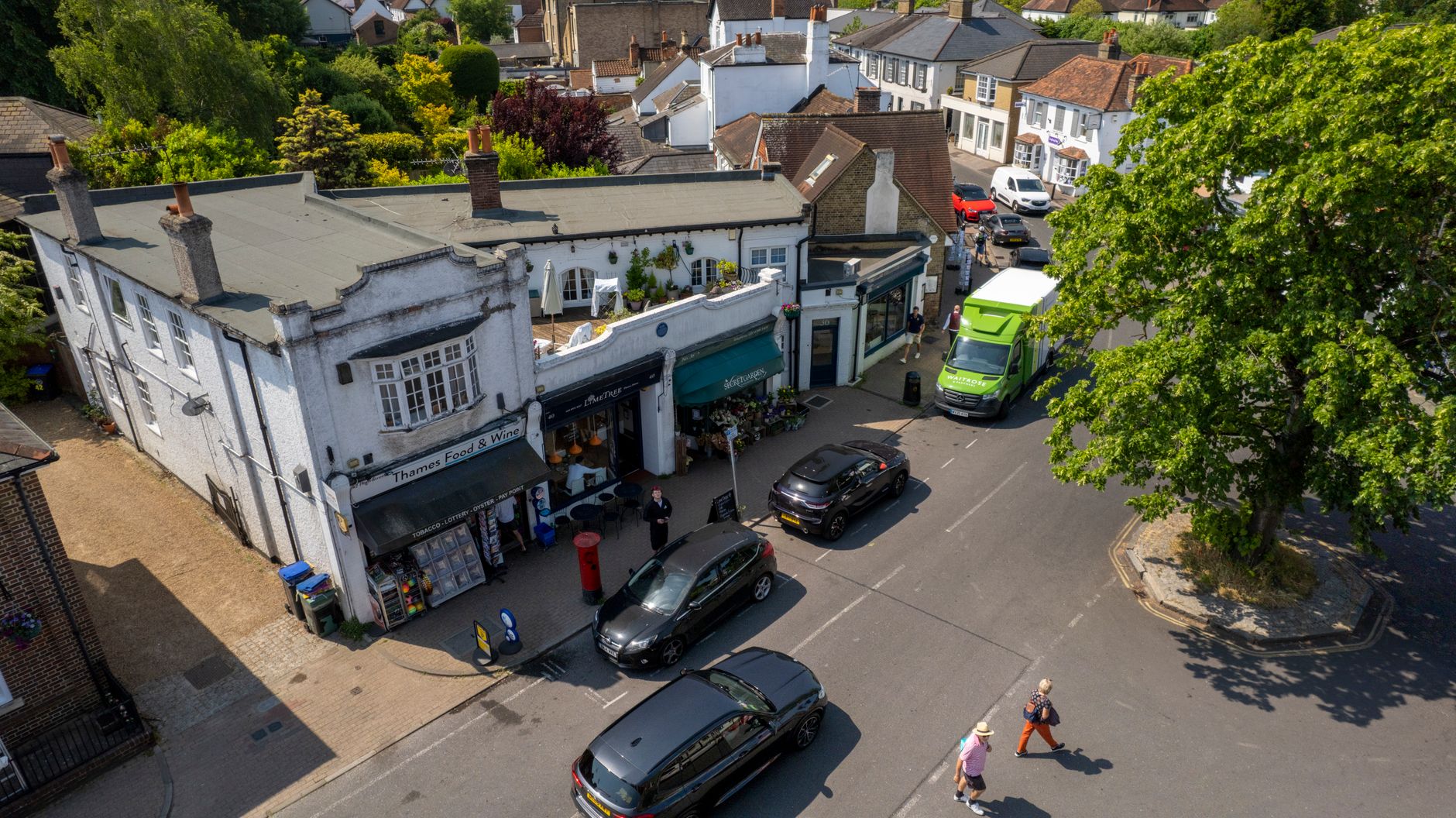
High streets tell the economic story plainly. Bank branches and department stores have thinned out, replaced by barbers, vape shops, coffee chains and charity shops. Market days in Essex towns still draw crowds, and independent butchers and greengrocers have recovered ground as shoppers push back against identical retail parks.
Community Life in Essex: Clubs, Fetes and Volunteering
Formal community structures matter more than casual sociability. Parish councils, allotment associations, amateur dramatic societies and grassroots football clubs give the year its rhythm. Around one in six adults volunteers monthly, and joining an organised group is the fastest route into a neighbourhood for anyone who has just moved in.
The village fete and the school summer fair are genuine institutions rather than nostalgia. Tombolas, cake stalls, dog shows and a raffle typically raise between £1,500 and £6,000 for a hall roof or a minibus. Attendance signals commitment, and the people who run these events quietly run everything else too.
Charity is baked into the calendar. Remembrance poppies in November, Children in Need, Comic Relief and Macmillan coffee mornings all mobilise workplaces and schools. Giving is expected to be visible but never boastful — a sponsorship page shared once, then dropped, hits precisely the right register for most people.
- Join one club within your first month: sports team, choir, allotment or running group.
- Use the same café, pub or shop weekly until staff recognise you.
- Say yes to the first three invitations, however inconvenient they are.
- Walk a dog if you have one — dog walkers talk far more readily than commuters.
- Read the local paper or parish newsletter, not just national headlines.
How Do I Learn British Culture Explained Simply Without Living Here for Years?
Treat it as fieldwork rather than study. Spend six weeks doing three things consistently: use the same local pub or café every week so staff recognise your face, join one organised club, and get outdoors at the times other people do — early mornings and Sunday afternoons. Read a regional newspaper instead of only national headlines, because local stories explain local priorities. Within two months you will have absorbed the timing conventions, the humour, the queue discipline and the unwritten rules about money and privacy that no guidebook covers properly. Consistency matters far more than effort, and turning up repeatedly beats any amount of background reading.
Is British Culture the Same Across England, Scotland and Wales?
No, and treating the four nations as interchangeable is the quickest way to irritate someone. Scotland keeps a separate legal system, education structure and banknotes, plus Hogmanay traditions that dwarf English New Year celebrations. Wales has an official language spoken daily by roughly a fifth of the population, and rugby occupies the emotional space football holds in England. Northern Ireland carries its own political and religious history that shapes everyday conversation. Even within England, the north-south divide shows in housing costs, dialect and mealtime vocabulary. Shared elements exist — queueing, understatement, tea, weather talk — but the differences beneath them are substantial and locally defended.
What Does It Cost to Take Part in Everyday British Life?
Participation is cheaper than most newcomers expect. A pint runs £4.50 to £6.50, a pub quiz entry is usually £2 per person, and a Sunday carvery costs £12 to £18. Amateur football subs sit around £5 to £10 weekly, allotment rent between £40 and £90 a year, and a village hall class £6 per session. Pet ownership is the larger commitment: after purchase, expect £70 to £120 monthly for food, insurance and routine veterinary care, with brachycephalic breeds sitting at the top of that range. Budget roughly £60 to £100 a month for a genuinely active social life outside the home.