
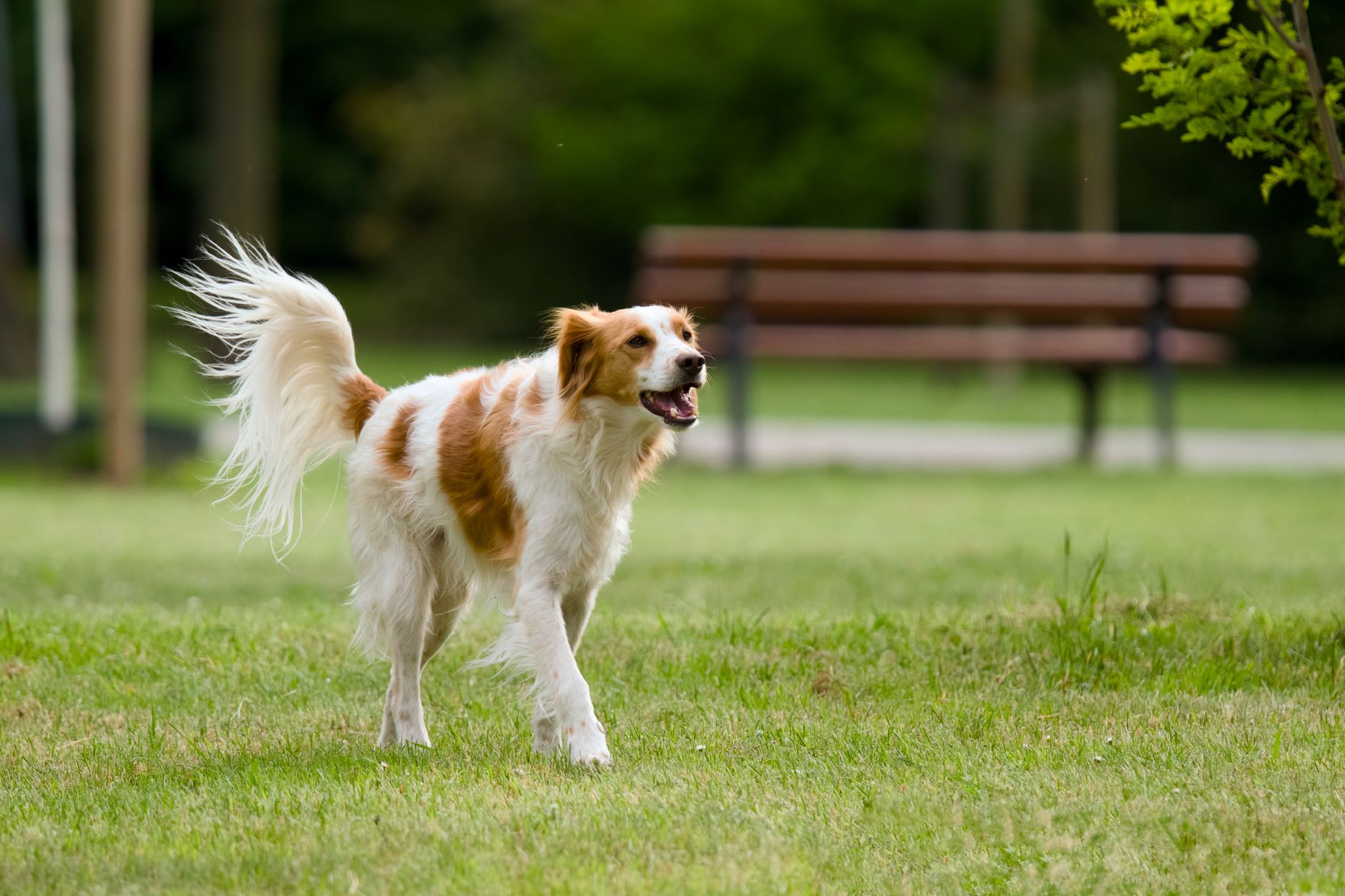
Dog Walking Parks Near Me: The Essex Owner’s Complete Guide
Searching for dog walking parks near me is one of the first things a new owner in Essex does, and the honest answer changes depending on your dog’s size, recall and stamina. A springer spaniel needs three miles of open ground before breakfast; a French bulldog is content with forty minutes of shaded, level path. This guide breaks down the practical differences between council recreation grounds, country parks, ancient woodland and private secure fields, with real costs, parking arrangements and surface conditions across the seasons. You will find a comparison table, a kit list built around what actually fails in deep mud, and straight guidance on when a £10 hire field beats a free public space. The aim is simple: help you build a walking rota that fits your dog, your postcode and the hours you genuinely have available each week.
How to Judge a Park Before You Ever Set Foot In It
Online listings rarely tell you what matters. Check the satellite view first: look for a continuous perimeter hedge or fence, a single vehicle entrance rather than three, and real distance from any A-road. A green space of ten acres bordered by a dual carriageway is far riskier than four acres tucked quietly behind housing.
Then check the rules. Essex councils operate Public Spaces Protection Orders that vary parish by parish, covering lead-only zones, exclusion from fenced play areas and a maximum of six dogs per handler. Fines for fouling commonly reach £100 on the spot. Photograph the entrance signage on your first visit and keep it saved on your phone.
Parking decides how often you actually go. A site with free on-street bays gets used four times a week; one charging £3.50 for two hours gets used on Sundays only. Season permits at Essex country parks generally sit between £50 and £75 a year, paying for themselves across roughly twenty visits.
Surface, Drainage and Winter Access
Clay soil dominates much of the county, and clay holds water. A meadow that walks beautifully in August turns into shin-deep mud by December, which shortens routes and wrecks paws. When shortlisting dog walking parks near me, keep at least one all-weather option with hoggin or tarmac loops and a hardstanding car park that does not flood at the gate.
Essex Parks and Country Estates Worth the Extra Drive
Chelmsford, Brentwood and the Thames estuary belt hold some of the strongest options in the region: Hylands Estate, Weald and Thorndon Country Parks, Belhus Woods and the Hadleigh downs. Each offers a different mix of open grass, woodland ride and gradient, and a dog that gets all three stays fitter and calmer.
Match the site to the job. Woodland delivers shade and scent work for a nose-driven breed; seawall paths suit a collie or pointer that needs to cover distance; a small rec ground is perfect for ten minutes of loose-lead practice. Owners who treat parks for dog walking near me as one interchangeable category end up with a bored dog.
Use the table below as a planning shortcut. Prices are typical ranges rather than fixed figures, and most country park machines now take contactless, though a £1 coin in the glovebox still saves a wasted trip when signal drops in the car park.
| Site type | Typical size | Parking | Best suited to |
|---|---|---|---|
| Council recreation ground | 2-8 acres | Free on-street | Short daily loops, lead work |
| Country park or historic estate | 100-500 acres | About £2-£4, or £50-£75 season permit | Long weekend walks, mixed terrain |
| Ancient woodland | 50-200 acres | Free or donation box | Hot weather shade, scent work |
| Coastal marsh and seawall | Linear, 3-10 miles | About £2-£5 | Stamina breeds, low-traffic routes |
| Private secure field | 1-5 acres | Included in hire | Poor recall, reactive or nervous dogs |
Secure Off-Lead Fields: When Paying Beats Free
Private secure fields have spread across Essex and the wider commuter belt, and they solve a specific problem: dogs with unreliable recall, reactive dogs, nervous rescues and bitches in season. You book a one to five acre fenced paddock by the half hour, usually through an app, and nobody else is on site during your slot.
Expect £8 to £12 for thirty minutes and £15 to £22 for a full hour, with the cheapest slots on weekday mornings. Fence height matters more than acreage: six foot deer fencing suits a lurcher or malinois, while four foot stock fencing is ample for a cocker spaniel. Confirm the specification before booking.
Run the maths honestly. Two hires a week costs roughly £80 a month, similar to a mid-range insurance premium. For most owners a split works best: free public spaces for the daily plod, plus one hire field session a week for genuine flat-out sprinting and uninterrupted recall training with no other dogs in view.
The Kit That Survives an Essex Winter
Local mud destroys cheap equipment fast. A flat webbing collar frays within a season, while a rolled leather collar lasts years. Budget £25 to £45 for a Y-front harness that leaves the shoulder free, and £12 to £20 for a fifteen-metre biothane long line, which rinses clean instead of soaking up water like rope.
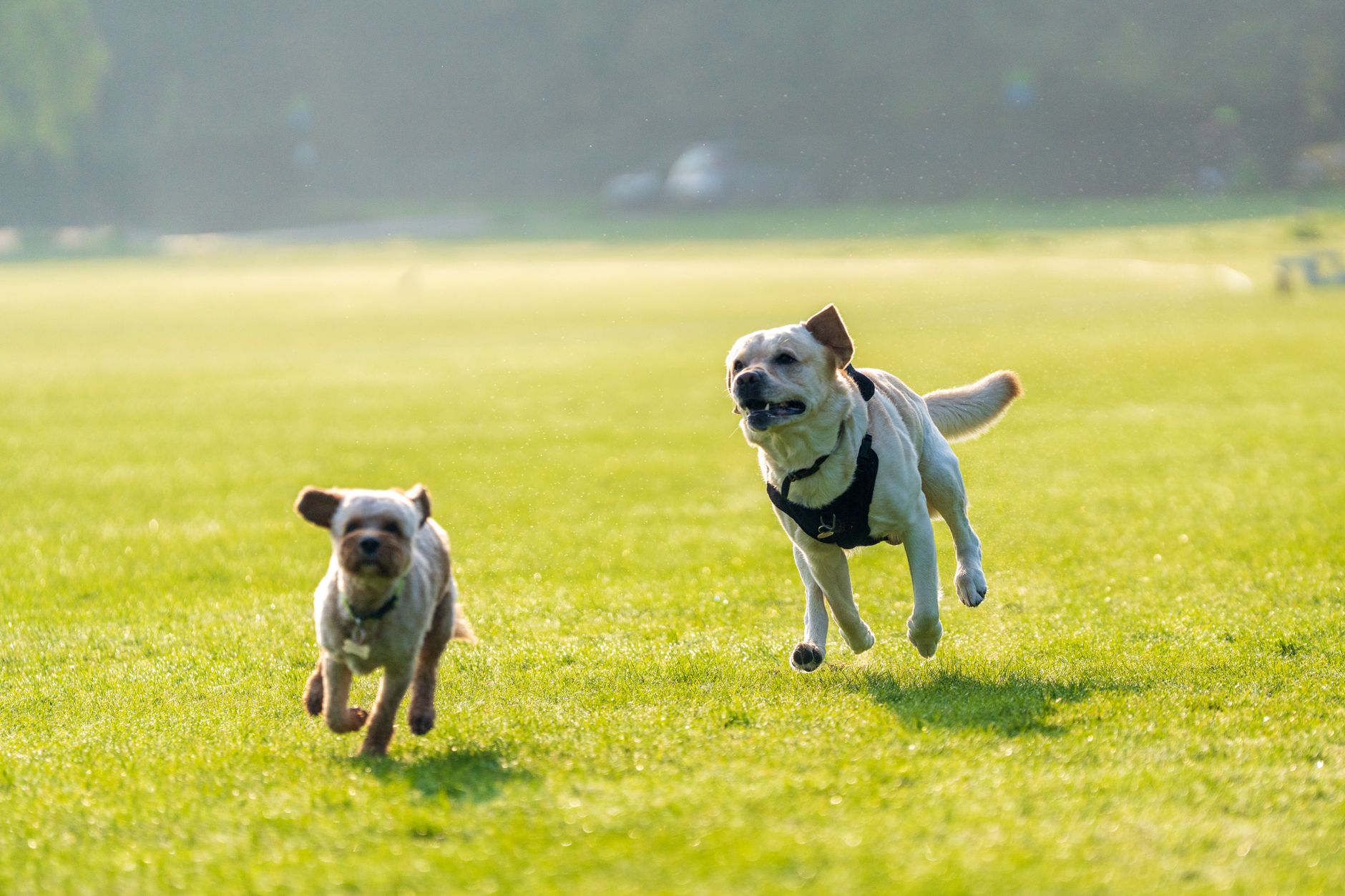
- Biothane long line, 10-15m, for recall work in open fields
- Boot liner and two microfibre towels, roughly £30-£60 the pair
- Collapsible bowl plus one litre of water per hour of walking
- Tick remover tool, around £5, and a small first aid pouch
- Head torch with 200 lumens minimum for the dark months
Treats decide recall quality more than any piece of hardware. High-value rewards mean roast chicken or sardine cake, not dry biscuit. Plenty of owners adapt british baking recipes into dog-safe training bakes using oat flour, egg and tinned fish, skipping sugar, chocolate, raisins and xylitol entirely. The same technique behind great british baking recipes produces sturdy, freezable training squares.
Heat harms more dogs than cold does. Walk before eight in the morning through June to August, press the back of your hand to the tarmac for seven seconds as a test, and carry water on every trip. In winter, rinse paws after gritted paths and check between the pads for compacted ice and grass seeds.
Fitting Walks Around Work, Hobbies and Holidays
A routine survives only if it fits the rest of your week. Owners working from home tend to anchor walks either side of the day, and the strongest home office setup ideas for dog people include a desk near a window, a raised bed within sight of the chair, and a lunchtime block defended as firmly as any client call.
Community life helps too. Many plot holders combine a morning loop with a visit to their site, though uk allotment gardening rules usually require dogs to stay leashed and clear of communal beds. Local groups covering allotment gardening uk also share sensible warnings about slug pellets, cocoa mulch and onion beds, all genuinely dangerous to dogs.
Holidays need the same planning. Shortlisting travel destinations in uk terms rather than long-haul keeps your dog with you, and the best uk travel destinations for owners tend to be coastal: Northumberland, north Norfolk and the Gower peninsula all offer year-round beach access instead of blanket summer bans on sand.
Planning Trips Without Breaking the Routine
Compare options carefully. Package listings such as hays travel destinations from uk suit families travelling without pets, while self-catering cottages dominate genuinely dog-friendly travel destinations uk searches. Whichever route you take, book kennels or a trusted sitter early for August, and hold the daily walk length steady for the fortnight before departure.
Owners who research uk travel destinations with a dog in mind check three things: an enclosed garden, driving distance to the nearest emergency vet, and whether the local beach enforces a seasonal dog ban. Those three filters strip most of the disappointment out of any shortlist of best travel destinations uk cottages.
How do I compare dog walking parks near me without visiting every single one?
Start with a satellite map and a twenty-minute drive radius, marking every green space larger than two acres. Check each council page for Public Spaces Protection Order details, then read recent reviews specifically for parking, mud and livestock rather than scenery. Visit your top three on a wet weekday morning, which is the worst realistic condition, and time the door-to-gate journey yourself. Note where the bins sit, whether the gates are self-closing, and how close the nearest road runs to the open grass. Three genuine trial visits usually settle a rota that lasts for years, and you can revisit the shortlist each season.
Is it legal to let my dog off the lead in a UK public park?
In most public parks, yes, provided the dog remains under close control and the area carries no lead-only order. Councils enforce Public Spaces Protection Orders that can require leads on roads, near play areas or across whole sites, with fixed penalties around £100 and prosecution for repeat breaches. Separate law covers livestock: a dog worrying sheep or cattle can legally be shot by the farmer, and the owner faces both a fine and a compensation claim. Under close control means the dog returns promptly on the first call, not the fourth, so build recall in a secure field before testing it anywhere open.
What should I carry on a two-hour walk with an active dog?
Pack water and a collapsible bowl, at least a litre for a medium dog in mild weather and more in summer. Add poo bags in double the number you expect to need, a long line for recall work, high-value treats in a sealed pouch, and a compact first aid kit containing a tick remover, self-adhesive bandage, saline pods and a foil blanket. Carry your phone with the vet number saved and location sharing enabled, since large country parks have patchy signal and poor landmarks. A slip lead in the pocket weighs almost nothing and gives you a spare if a clip or buckle fails mid-route.