
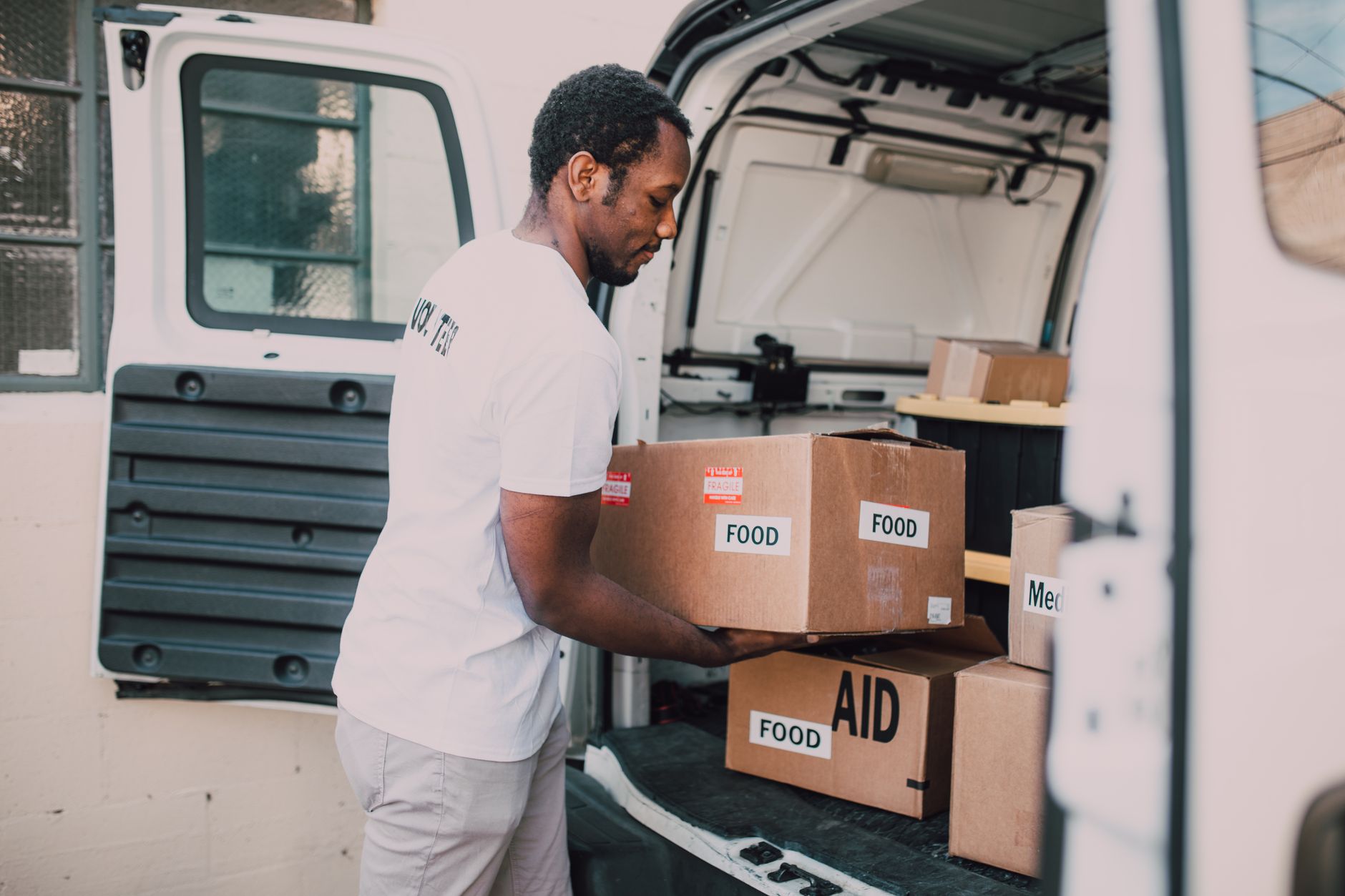
Learning how to help homeless people UK communities support every day starts with one honest admission: loose change rarely changes anything. The approaches that work when people ask how to help homeless people UK charities actually recommend are structural, meaning a referral, a hot meal, dry socks, an address and a bank account. Around 320,000 people across Britain are recorded as homeless in some form on any given night, and most are not visibly rough sleeping. They are sofa-surfing, in temporary bed and breakfast placements, or sitting in hostels waiting on a housing assessment. That distinction matters because it changes what help should look like. A three pound coffee is a kindness that lasts twenty minutes. A verified outreach referral, a filled food parcel, or a village hall repurposed as a winter night shelter can last an entire season, and costs far less than most people assume.
The Fastest Way to Help Someone Sleeping Rough Tonight
If you pass someone bedded down in a doorway, the highest-impact action takes about ninety seconds: submit a StreetLink alert giving the location, the time you saw them and a brief description. Outreach teams work directly from those alerts. Without one, a person can sit outside the system for weeks while every passer-by assumes somebody else has already called.
Ask before you act. Some people decline hostel places for sound reasons: a dog, a partner they will not be separated from, a previous assault in shared accommodation, or a night shift that clashes with a curfew. Note what they tell you and pass it on with the referral. Accurate detail speeds up the match to suitable provision considerably.
During severe weather emergency protocols, councils open extra provision regardless of local connection or priority need, so a referral made in freezing conditions carries unusual weight. Practical giving usually beats cash, although cash restores choice and dignity. A sensible compromise is a ten pound supermarket gift card paired with something genuinely warm and dry.
| Action | Typical cost | Time needed | Who it reaches |
|---|---|---|---|
| Outreach referral | Free | 2 minutes | One rough sleeper, via a trained team |
| Winter kit bag | 30 to 45 pounds | 1 hour | One person, one cold season |
| Food bank session | Free | 3 to 4 hours weekly | 20 to 60 households per session |
| Community fridge shift | Free | 2 hours weekly | Anyone walking in, no referral |
| Night shelter in a hall | 15 to 25 pounds per hour hire | Rota-based | 8 to 15 guests per night |
What to Keep in a Winter Kit Bag
Assemble kit bags in batches of five and keep one in the car boot. Thermal socks cost roughly four pounds a pair, a three-season sleeping bag runs 25 to 40 pounds, and a solar power bank sits around twelve pounds. Charged phones are lifelines, not luxuries, because appointments, benefits and housing officers all arrive by text.
- Two pairs of thermal socks and waterproof gloves
- Foil blanket, hand warmers and a woolly hat
- Power bank with a universal charging cable
- Supermarket gift card rather than loose coins
- Printed card listing local day centre opening hours
- Dog food, if the person has an animal with them
Food, Clothing and the Referral System Behind Them
The uk food bank referral process confuses well-meaning donors more than anything else. Most Trussell network banks issue parcels against a voucher from a referral partner such as a GP surgery, health visitor, school, Citizens Advice or housing officer. Independent food banks often operate open-door policies instead. Knowing which model your town runs prevents sending someone on a wasted three-mile walk.
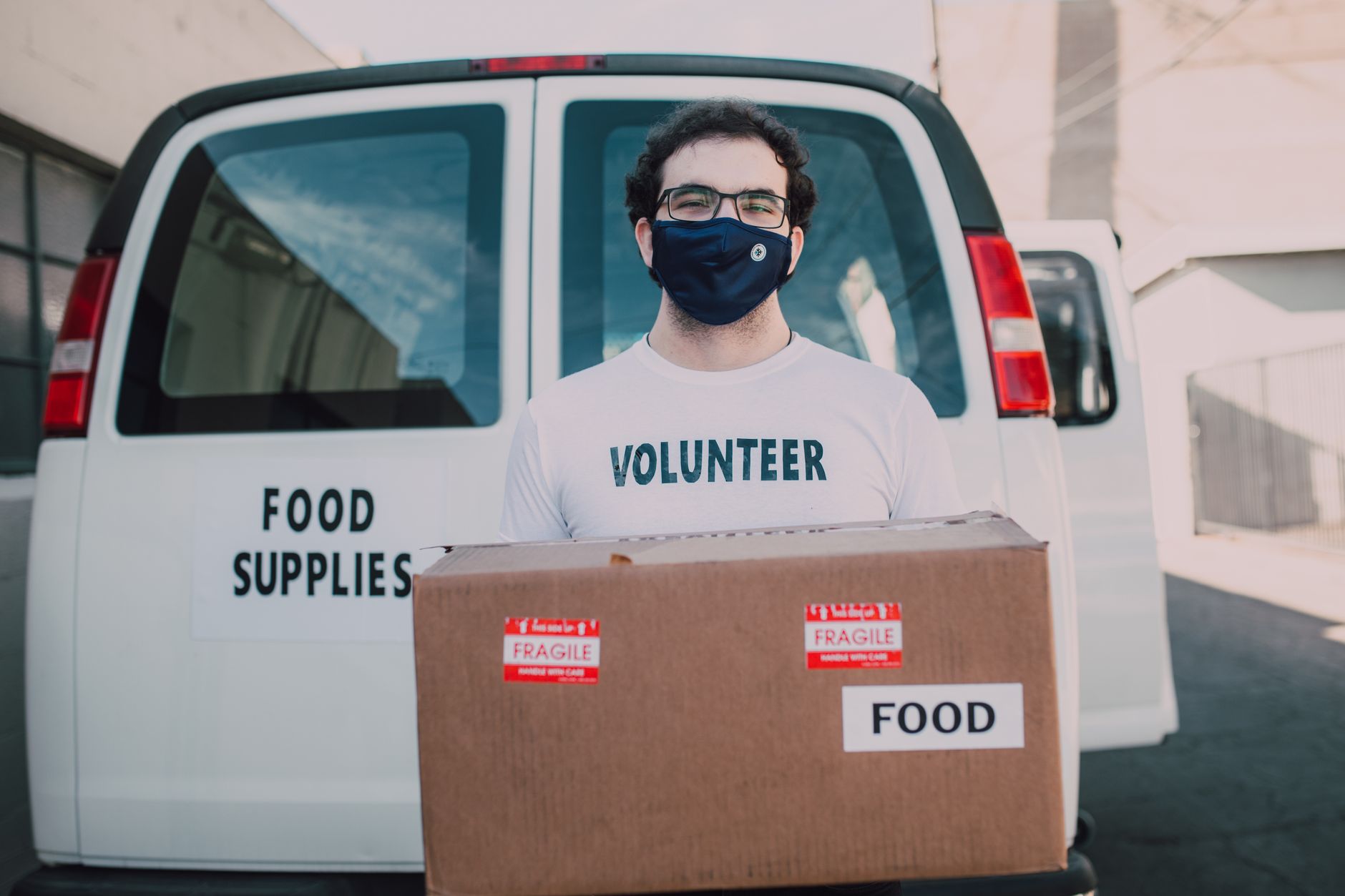
Anyone asking how to volunteer at food bank sessions can usually start within a fortnight. Warehouse sorting, date-checking, driving collections from supermarkets and sitting with clients over tea all need bodies. Expect a short induction, a basic food hygiene briefing and a commitment of three to four hours a week, which is enough for real continuity.
Donating clothes to charity UK shops helps most when the stock is seasonal, clean and sellable. Winter coats in September, not July. High-value labels raise more in the best charity shops in London, where a designer coat can fetch 60 pounds against eight pounds in a rural branch, though transport costs eat that margin quickly for small volumes.
Donating Clothes Without Creating Waste
Roughly a third of donated textiles are unsellable and go to rag merchants at pennies per kilogram. Sort ruthlessly before you bag: no stains, no missing buttons, no single shoes. Gift Aid declarations add 25 percent to the resale value at no cost to you, which turns a 40 pound haul into 50 pounds for the charity.
Turning Local Spaces Into Lasting Support
Village hall hire cost UK averages ten to 25 pounds an hour for a main room, with community and charity rates often halved and winter night shelter use sometimes waived entirely. A hall booked two evenings a week for four months costs a church rota perhaps 900 pounds, which shelters a dozen people through the coldest stretch of the year.
A community fridge how it works question comes up at almost every parish meeting. The model is simple: a commercial fridge in an accessible building, stocked with surplus from supermarkets and bakeries via redistribution schemes, open to anyone with no means test and no voucher. Volunteers log temperatures daily and remove anything past its use-by date.
Starting a community garden UK style needs land, water and a five-year mindset. Parish councils, churches and housing associations hold the likeliest plots. Startup costs of 400 to 900 pounds cover raised beds, tools, a water butt and seed. The produce matters less than the routine, which gives people in temporary accommodation somewhere to be and something to tend.
Working Through Local Institutions That Already Have Power
Parish council meeting rules UK guarantee something most residents never use: a public participation period, usually three to fifteen minutes near the start of an agenda published at least three clear days in advance. Turn up, speak for two minutes about local homelessness provision, and ask for it to be minuted as a formal agenda item next time.
Councils hold a precept, which is real money raised through council tax. Grants of 500 to 5,000 pounds for a community fridge, a night shelter deposit or a warm space are entirely within reach when a resident presents costed figures rather than sentiment. Bring three quotes, a simple budget sheet and a named person who will run it.
Anyone wondering how to become a school governor should know the route is short: apply through the school directly or a national matching charity, complete a DBS check, and serve a four-year term at roughly six to ten hours a term. Governors influence attendance policy and pupil premium spending, both of which shape outcomes for children in temporary accommodation.
A neighbourhood watch scheme how to start question has an equally quick answer. Register free with the national network, recruit a handful of neighbouring households, appoint a coordinator and agree a communication channel. Well-run schemes reduce hostility towards people sleeping rough by replacing rumour with accurate information from the local policing team.
Raising the Money and Formalising the Work
Learning how to run a village fete is the most underrated fundraising skill in the country. A well-organised fete with 30 stalls at 15 pounds a pitch, a tombola, refreshments and a raffle clears 2,000 to 8,000 pounds in an afternoon. Budget for public liability insurance, a temporary event notice for alcohol, and 40 pounds on printed signage.
Once income passes 5,000 pounds a year, how to set up a charity becomes a live question. A Charitable Incorporated Organisation is usually the cleanest structure for community groups: it grants limited liability, needs a minimum of three trustees, and requires a governing document plus registration with the Charity Commission. Below that threshold, an unincorporated association with a constitution works fine.
Keep the accounting boring and transparent. A dedicated bank account, receipts for everything, and an annual statement circulated to donors sustain trust far longer than any campaign. Groups that publish where every hundred pounds went tend to receive repeat giving, while those that publish only photographs quietly lose their base within two or three years.
How Do I Report Someone Sleeping Rough in the UK?
Use StreetLink, the national referral service, available as a website, an app and a phone line. You will need the location as precisely as possible, ideally a street name plus a landmark, a doorway number or a what3words reference, along with the time you saw the person and a rough description including gender, approximate age and whether they had a dog or a tent. Outreach teams then attempt contact, usually within 24 to 72 hours, and feed back on whether they made a connection. If someone appears seriously unwell, unconscious, or is a child under 18, call 999 instead. In severe cold, referrals trigger emergency accommodation duties that do not otherwise apply.
Is It Better to Give Money or Food to Homeless People?
Both help, and the honest answer depends on the individual. Cash restores agency and lets someone buy exactly what they need, whether that is a phone top-up, a laundrette wash, a bus fare to a housing appointment or medication. Critics point to addiction, but withholding two pounds does not resolve a dependency and refusing eye contact costs more than the coin. Food, hot drinks and warm kit are always welcome and never wasted. The strongest option combines them: a supermarket gift card of five or ten pounds paired with a hot drink, plus a referral submitted the same day. Regular direct debits to a local day centre outperform all street giving on cost per outcome.
What Qualifications Do I Need to Volunteer With Homeless Charities?
Almost none for most roles. Food banks, community fridges, clothing sorts and soup runs ask only for reliability, an induction session and basic food hygiene awareness, which many organisations deliver free online in about two hours. Roles involving one-to-one support with vulnerable adults or children require an enhanced DBS check, typically paid for by the charity and processed in two to six weeks. Night shelter shifts usually add safeguarding and conflict de-escalation training across a single evening. Specialist positions such as advice work, mental health support or trustee roles benefit from relevant professional experience, though many charities train from scratch. Consistency beats credentials: one committed volunteer every Tuesday is worth ten enthusiastic one-off helpers.