

Canal and River Trust Volunteering: A Practical Essex Guide
Canal and River Trust volunteering is one of the most accessible ways to give a few hours a month to the outdoors, and it works particularly well for people living in Essex and along the Hertfordshire border. Anyone considering canal and river trust volunteering should know the charity looks after roughly 2,000 miles of waterway across England and Wales, including the Lee Navigation and the River Stort, both within easy reach of Harlow, Waltham Abbey and Roydon. Local teams handle hedge-laying, lock painting, vegetation clearance, visitor welcome duties and heritage surveys. Sessions typically run from 9.30am to 3pm, tools and gloves supplied, with no prior experience required. This guide covers what the roles involve, how to apply, what it costs you in time and travel, and how waterway work fits alongside the wider network of community projects that keep an Essex village or town functioning.
What Waterway Volunteering Involves Day to Day
Most sessions begin at a car park or a lock cottage with a safety briefing, a signing-in sheet and a tool talk. Task days cover scrub clearance, hedge-laying, painting lock beams, repointing brickwork and litter-picking. Groups run from six to twenty-five people, led by a paid co-ordinator who plans the work programme several weeks ahead.
Roles split broadly into practical outdoor work, visitor-facing duties and desk-based support. Lock keepers advise boaters during the busy months. Towpath rangers walk a set stretch, logging fly-tipping, damaged fencing and blocked culverts. Others run education sessions for primary schools or help with fundraising events at Stanstead Abbotts and Waltham Town Lock.
The physical demand varies more than people expect. Clearing vegetation with a bow saw for four hours is genuine manual labour; a heritage photography survey is not. Teams welcome volunteers aged 18 and over, with family task days scheduled during school holidays so younger helpers can attend accompanied by an adult.
Task Days, Lock Keeping and Heritage Work
Task days usually run one or two Wednesdays and a Saturday each month, so shift workers and retirees both find slots. Lock keeping is seasonal, concentrated between spring and early autumn, and requires a short assessment covering gate operation, paddle gear and the safe handling of boats inside the chamber.
Heritage roles suit anyone who enjoys records. Volunteers photograph milestones, bridge plates and mooring rings, then upload measurements to the charity asset database. It is unglamorous, indoor-friendly work that feeds directly into the repair budget, and it is the easiest route in for people with limited mobility.
How to Join: Applications, Training and Commitment
Applications go through an online role finder: pick a region, filter by activity, then submit a short form covering availability, health conditions and emergency contacts. Expect a reply within two to three weeks. There is no interview for general task days, though leadership and lock keeping roles include an informal chat first.
Induction takes a single session. You receive a briefing on manual handling, Weil’s disease, water safety and tool use, plus a high-visibility vest. Personal protective equipment such as gloves, hard hats and waders is provided and stored in the team van, so canal and river trust volunteering costs you nothing in kit.
Commitment is deliberately loose. Some volunteers attend forty days a year; others manage four. Attendance is booked session by session, so a busy quarter at work does not end your involvement. Roles involving unsupervised contact with children or vulnerable adults require an enhanced DBS check, which the charity pays for.
| Role | Typical session | Physical demand | Training needed |
|---|---|---|---|
| Towpath task day | 9.30am to 3pm | High | Half-day induction |
| Lock keeper | 4 to 6 hours, seasonal | Medium | On-site assessment |
| Towpath ranger | 2 hours, flexible | Low to medium | Short briefing |
| Education volunteer | 3 hours, term time | Low | Induction plus DBS |
| Heritage surveyor | 2 to 3 hours | Low | Database training |
| Events and fundraising | Full weekend days | Medium | None required |
Waterway Work Alongside Essex Food and Clothing Projects
Waterway teams overlap heavily with other local causes, and the same twenty people tend to appear everywhere. If you have looked into how to volunteer at food bank sites in Chelmsford, Basildon or Harlow, the application pattern is nearly identical: online form, one reference, induction, then a regular two-hour shift.
Warehouse shifts involve date-checking, weighing donations and packing three-day parcels to a fixed nutritional template. Front-of-house roles need patience and discretion above anything else. A typical parcel weighs 12 to 15kg, which matters if you are carrying stock up stairs at a church hall with no lift.
Clothing is the other constant. The rules around donating clothes to charity UK branches are simple: bag items clean, dry and paired, add a Gift Aid form, and skip anything mouldy or broken. Volunteers rate the best charity shops in London for stock quality, though Essex branches often price far more sensibly.
Food Bank Referrals and How a Community Fridge Works
The UK food bank referral process runs on vouchers rather than walk-ins at most network sites. A GP, health visitor, school, Citizens Advice adviser or housing officer assesses need and issues a code, which the centre exchanges for a parcel. Independent food banks often operate open-door policies instead.
The community fridge how it works explanation is short: supermarkets, bakeries and allotments donate surplus, volunteers log and chill it, and anyone may take items free with no means test. Fridges follow Food Standards Agency guidance, with daily temperature logs and a firm ban on redistributing cooked meat.
The Real Costs: Travel, Kit and Venue Hire
Volunteering is free at the point of entry but not entirely costless. Fuel to a rural lock and back can run £6 to £10 a session, and the charity reimburses mileage at the HMRC approved rate when the journey is agreed in advance. Keep receipts; most people never claim.
Community groups that meet indoors face a bigger bill. The average village hall hire cost UK-wide sits between £8 and £25 an hour, with Essex halls near the M11 corridor at the upper end and smaller parish rooms closer to £10. Weekend and evening rates typically add around 30 per cent.
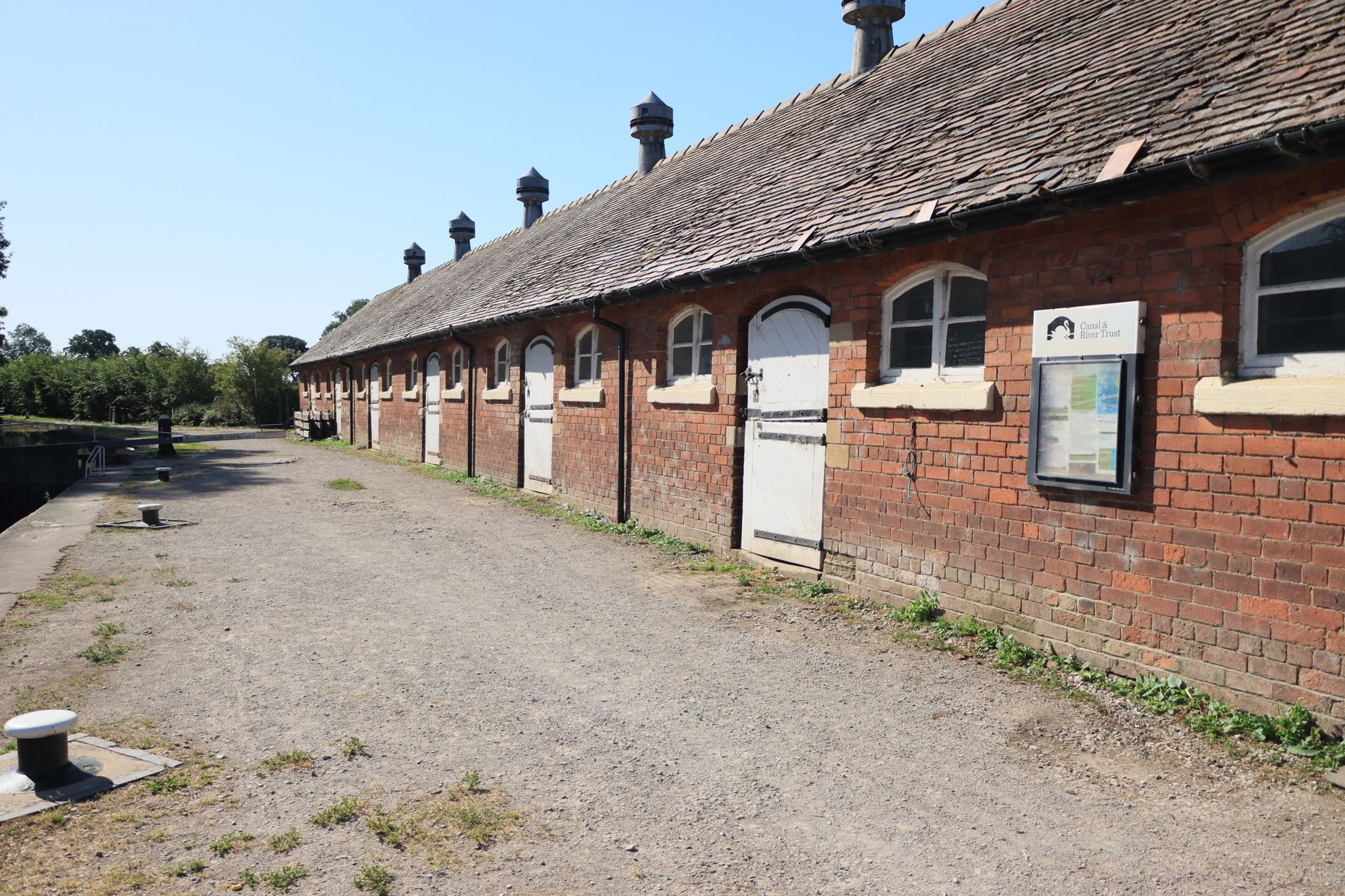
Budget for a few personal items even where kit is supplied, because comfort decides whether you return for a second session. Most regulars spend under £100 in their first year and nothing after that. The list below covers what experienced Essex towpath teams actually recommend buying yourself:
- Waterproof ankle or rigger boots with a steel toe: £35 to £70
- Thermal base layers for winter clearance work: £15 to £30
- Waterproof over-trousers that survive brambles: £20 to £45
- A one-litre flask and a hard-sided lunch box: around £20
- Your own close-fitting gloves for fiddly repointing jobs: £8 to £15
- A tetanus booster, free through your GP surgery
Stepping Up: Governance, Committees and Your Own Project
Plenty of people arrive as a spare pair of hands and leave running something. If you are researching how to set up a charity, the threshold matters: registration with the Charity Commission becomes compulsory above £5,000 annual income, and a charitable incorporated organisation suits most small groups better than a company limited by guarantee.
Local governance offers lower-commitment routes into decision-making. Anyone asking how to become a school governor applies directly to the clerk of the governing board; expect six meetings a year, a four-year term and an enhanced DBS check. Parish council meeting rules UK-wide require three clear days of public notice and admission except for genuinely confidential items.
Practical projects need far less paperwork than people fear. Starting a community garden UK-wide begins with a lease or licence from the landowner, public liability cover of £5 to £10 million, and a soil contamination test. The neighbourhood watch scheme how to start guidance asks only for six households, a co-ordinator and registration with the national network.
Fundraising events tie the whole picture together. Anyone learning how to run a village fete should allow nine months of lead time, a temporary event notice for alcohol, and £300 to £600 for insurance, marquee hire and a PA system. A well-organised fete on a bank holiday weekend clears £2,000 to £5,000 for the host cause.
How Do I Start Canal and River Trust Volunteering Near Essex?
Start with the online volunteer role finder and filter by the London and South East or East Midlands waterway regions, which between them cover the Lee Navigation, the River Stort and the Grand Union. Canal and river trust volunteering opportunities near Essex cluster around Waltham Abbey, Roydon and Bishop’s Stortford.
Submit the short form, then allow two to three weeks for a co-ordinator to make contact. Attend one taster task day before committing to anything regular, because nobody expects a decision on the spot. Bring boots, a packed lunch and water, and wear clothes you are content to ruin.
If nothing is listed locally, contact the regional volunteering team directly and ask. The Chelmer and Blackwater Navigation is run by Essex Waterways rather than the Trust, and that separate organisation recruits continuously for lock maintenance, grass cutting and boat crewing at Heybridge Basin and Paper Mill Lock.
Is Waterway Volunteering Suitable for Complete Beginners?
Yes, and the majority of task-day volunteers arrive with no relevant experience whatsoever. Training is delivered on site, every tool is demonstrated before use, and the team leader assigns jobs according to what people say they can comfortably manage. Nobody is handed a brushcutter on their first morning.
Age is rarely a barrier either. Teams commonly include volunteers in their seventies, and the work is graded accordingly: hedge-laying for some, sign-painting, refreshments or record-keeping for others. Declare heart conditions, joint replacements or regular medication on the application form so the co-ordinator can plan sensibly.
The genuine requirements are punctuality, sensible footwear and a tolerance for British weather. Sessions go ahead in light rain and cancel only for high winds, ice or flood conditions. If four hours outdoors sounds like too much, ask for a half-day slot, because most teams accommodate that without fuss.
What Skills and Kit Do Waterway Volunteers Actually Need?
No formal qualifications are required for general task days. Useful transferable skills include bricklaying, carpentry, hedge management, first aid, photography and anything involving spreadsheets, since asset records need maintaining as much as lock gates do. Boat handling helps for work-boat crewing but is taught in-house.
Supplied kit covers gloves, hard hats, high-visibility vests, waders, hand tools, brushcutters and transport in the team van. You provide boots, weather-appropriate layers, lunch and water. A tetanus booster is sensible given the soil and rusted ironwork involved, and your GP surgery provides it free of charge.
Soft skills matter more than tools in practice. Explaining a towpath diversion to an irritated cyclist, welcoming a nervous first-timer, or noticing a colleague struggling in the heat are the things co-ordinators value most. Reliability across three months counts for considerably more than turning up once with expertise.