
Becoming a Special Constable UK: Powers, Hours and the Community Behind the Uniform
Becoming a special constable UK forces depend on means holding the same warranted powers as a paid officer — arrest, search, detention — while giving your time for free. Anyone weighing up becoming a special constable UK-wide should start with the headline numbers: a minimum of roughly 200 duty hours a year, about 16 hours a month, and 12 to 18 months from application to independent patrol. In Essex, that journey runs through initial learning weekends, tutored patrol alongside a mentor, and a sign-off process that measures competence rather than enthusiasm. The role sits inside a much wider local volunteering landscape — watch schemes, parish councils, food banks and village halls — and the officers who last longest are usually the ones already embedded in that landscape. This guide covers eligibility, vetting, honest costs, and how the warrant card fits into everyday community life.
What Becoming a Special Constable UK Forces Recruit For Actually Involves
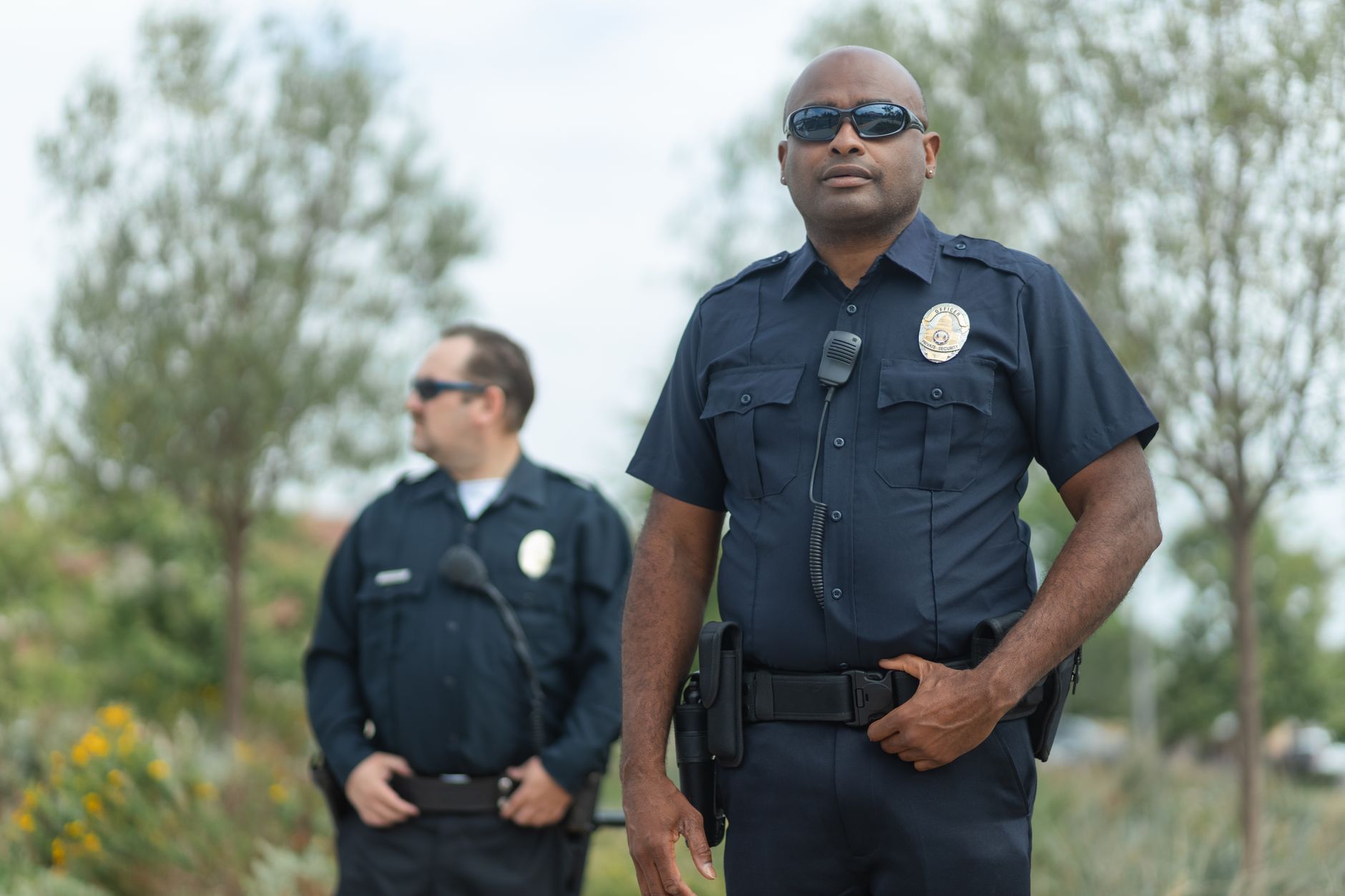
A special constable is a warranted volunteer officer with identical powers to a regular constable inside their force area. You carry a baton, PAVA spray and rigid handcuffs, respond to graded calls, build case files, and give evidence in court under oath. The uniform is the same; the salary is nothing beyond reimbursed expenses.
Most forces ask for 16 hours a month, usually delivered as two eight-hour shifts or four shorter evening patrols. Essex Police attaches specials to local policing teams, roads policing, marine units and rural crime teams, so one shift might mean Friday night town centre work and the next a daytime sequence of farm and equipment-theft visits.
Expect a mixed diet: domestic incidents, retail theft, missing persons, licensing checks and public order at events. Roughly 60% of a typical shift goes on scene management, statements and digital paperwork rather than anything resembling a pursuit. Officers who thrive treat the role as a second profession with real consequences, not an occasional weekend hobby.
Powers, kit and accountability
Your warrant card obliges you to act on and off duty within the force area. The same misconduct regulations, body-worn video retention rules and use-of-force reporting apply to you as to a regular. Complaints are investigated identically. That accountability explains why vetting is thorough and why initial learning runs far beyond a single induction weekend.
Hours, shifts and the annual minimum
The 200-hour annual minimum is a floor, not a target — committed specials frequently log 300 to 400 hours. Duties are booked through a self-service rota app, normally four to six weeks in advance. Employers signed up to Employer Supported Policing sometimes grant paid leave for training, which materially eases a difficult first year.
Eligibility, Vetting and a Realistic Application Timeline
Applicants must be 18 or over, hold the right to work in the UK, and show at least three years of continuous UK residency. There is no upper age limit, though standard retirement conventions apply. Tattoos are assessed individually; visible face, neck and hand work is normally where an application stalls.
Fitness is measured with the multi-stage bleep test to level 5:4 on a 15-metre shuttle, plus job-related eyesight and hearing screening. Most candidates who jog twice a week pass at the first attempt. Two retests are usually permitted, spaced several weeks apart, before the application is paused rather than rejected outright.
Vetting is the slowest stage by a wide margin. Recruitment Vetting examines you, your partner, parents, siblings and anyone else sharing your address. Unspent convictions, significant unmanaged debt, county court judgments and undeclared associations are the common failure points. Early full disclosure moves faster than a correction discovered halfway through.
Stage-by-stage durations
Timelines vary between forces, but the sequence below reflects a typical county constabulary. Plan for the whole process to occupy the best part of a year, and keep referees warned in advance so reference chasing does not add avoidable weeks to an already long vetting queue.
| Stage | Typical duration | What decides the speed |
|---|---|---|
| Online application and eligibility sift | 2-4 weeks | Completeness of residency and conviction history |
| Assessment centre and interview | 4-6 weeks | Cohort scheduling, not your performance |
| Recruitment Vetting and references | 8-16 weeks | Household members, addresses, financial checks |
| Medical and fitness testing | 2-3 weeks | Retests, eyesight referrals, GP report delays |
| Initial learning programme | 4-6 months | Weekend cohort availability |
| Tutored patrol to independent status | 3-6 months | Hours logged and portfolio sign-off |
Training, Kit and the Real Cost of Volunteering
The financial arithmetic of becoming a special constable UK candidates rarely run in advance is simple but uncomfortable. The role pays nothing. Travel to duty is reimbursed at the standard HMRC approved mileage rate for authorised journeys, but commuting to your home station is often treated as your own expense.
Kit is provided free: uniform, boots, body armour, protective equipment, radio and personal issue items. What you buy yourself tends to total £60 to £120 in the first year — a decent torch, spare gloves, a notebook cover, boot care, and a bag that survives night shifts. None of it is compulsory, all of it makes the work easier.
The larger cost is time. If you pay for childcare at £8 to £12 an hour to cover a Saturday late shift, 200 hours a year becomes a four-figure decision. Households where this is discussed honestly before the application tend to produce officers who are still serving three years later.
Support that offsets the outlay
Expenses claims cover authorised mileage, public transport, and meal allowances on extended duties. Many forces extend free or discounted gym access, occupational health support and the same welfare provision as regulars. Employer Supported Policing agreements, where an employer grants five to ten paid days annually for training, remain the single most valuable form of support.

Where the Warrant Card Sits in Local Community Life
Policing a district well requires knowing who already holds it together. If you have researched how to volunteer at food bank sessions in Chelmsford or Colchester, you will meet the same households officers encounter at two in the morning. The UK food bank referral process runs on vouchers issued by partner agencies — police among them — so specials are frequently the referrer.
A community fridge, how it works and who it serves, is different again: surplus stock from supermarkets and households sits in an open, temperature-logged unit that anyone may use without a voucher and without questions. Knowing that distinction stops an officer signposting a family to the wrong door on a Sunday evening when the referral desk is closed.
Similar practical knowledge applies to donating clothes to charity UK households accumulate. Volunteers who have compared the best charity shops in London with a two-room outlet in an Essex village know the rural shop runs on four people and fixed hours. That awareness turns a vague suggestion into a coat for a child the same afternoon.
Watch schemes, gardens and village events
Residents asking about a neighbourhood watch scheme — how to start one, who registers it, what it realistically achieves — need six to ten committed households, a coordinator, registration with the national association, and a working link to the local policing team. Starting a community garden UK councils will back usually requires a lease, £5 million public liability cover and a soil test.
Village hall hire cost UK groups face typically runs £8 to £25 an hour, with refundable deposits of £50 to £150. Anyone who has worked out how to run a village fete — temporary event notices, stewarding ratios, first aid cover, cash handling — already understands the operational planning specials support at summer shows and carnivals every year.
Progression, Governance and the Long Game
The specials have their own rank structure: Special Constable, Special Sergeant, Special Inspector and Special Chief Officer. Promotion depends on logged hours, competence assessments and leadership evidence rather than length of service alone. A capable volunteer can reach sergeant within three years while holding a full-time civilian job.
Other civic roles compound the effect. Knowing how to become a school governor — an application to the clerk, a DBS check and roughly six to eight hours a term — places you inside safeguarding conversations that patrol never reaches. Parish council meeting rules UK legislation sets out require three clear days of public notice and open access to most agenda items.
Some specials go further and investigate how to set up a charity for a youth diversion or road safety project. That means a governing document, a minimum of three unrelated trustees, and registration with the Charity Commission once annual income exceeds £5,000. Operational patrol experience makes those funding applications noticeably more credible to grant panels.
Turning volunteer hours into a career
Forces increasingly treat the special constabulary as a talent pipeline. Two years of documented patrol, statement writing, custody handovers and use-of-force records give a regular-officer application evidence that no written form can manufacture. Several forces now offer accelerated entry where existing competencies map directly across, shortening initial training considerably.
Frequently Asked Questions
How long does becoming a special constable UK applicants apply for take from start to independent patrol?
Budget 12 to 18 months end to end. The application sift and assessment centre typically consume two to three months, but Recruitment Vetting is the genuine bottleneck at eight to sixteen weeks, longer if you have lived abroad or share an address with several adults. Initial learning runs across four to six months of weekends and evenings, followed by three to six months of tutored patrol before independent status is signed off. Forces running two or three intakes a year mean a missed cohort can add four months. Applying with complete address history and pre-warned referees is the single most effective way to compress the timeline.
Is the role worth it if you already volunteer heavily in your local community?
It depends on capacity rather than motivation. The 200-hour annual minimum is roughly equivalent to running a village hall committee and a charity shop rota simultaneously, and unlike most volunteering it cannot be rescheduled at short notice — a booked duty is an operational commitment. That said, existing community involvement makes for markedly better officers, because you already know the referral routes, the coordinators and the informal networks that resolve problems without escalation. The realistic advice is to consolidate: drop one or two lighter commitments before applying, keep the ones that put you in front of residents, and treat the warrant card as the demanding centre of your volunteering rather than an addition to it.
What happens if you cannot meet the 200-hour annual minimum?
Nothing punitive happens immediately. Your special sergeant will usually open a supportive conversation about workload, health, caring responsibilities or employment changes, and forces routinely grant career breaks and adjusted minimums for genuine circumstances such as parental leave, illness, university terms or deployment. Persistent shortfall without explanation is different: sustained under-attendance eventually triggers a formal review, since currency of training, officer safety refreshers and legislative updates all depend on regular duty. Skills degrade fast when a warranted officer patrols twice a year. Most forces would rather agree a temporary reduced commitment or a six-month pause than lose a trained volunteer permanently, so raising the issue early almost always produces a workable arrangement.