

Beach Clean Volunteer Guide UK: How to Plan, Run and Repeat a Coastal Litter Pick
A practical beach clean volunteer guide UK residents can actually use starts with one honest fact: most coastal litter picks fail on logistics, not enthusiasm. This beach clean volunteer guide UK walks through the permissions, kit budgets, tide timings and data forms that separate a tidy two-hour session from a chaotic afternoon with three bin bags and nowhere to put them. Essex, Cornwall, Fife and Pembrokeshire all sit under slightly different landowner arrangements, so the first job is identifying who controls the foreshore below the high-water mark. From there the pattern is repeatable: confirm access, book a waste uplift, recruit 12 to 25 people, brief them properly, and record what you find. Groups that follow that sequence typically remove 40 to 90kg of litter per session with volunteers who come back. Groups that skip it rarely run a second clean.
What a Beach Clean Session Actually Involves
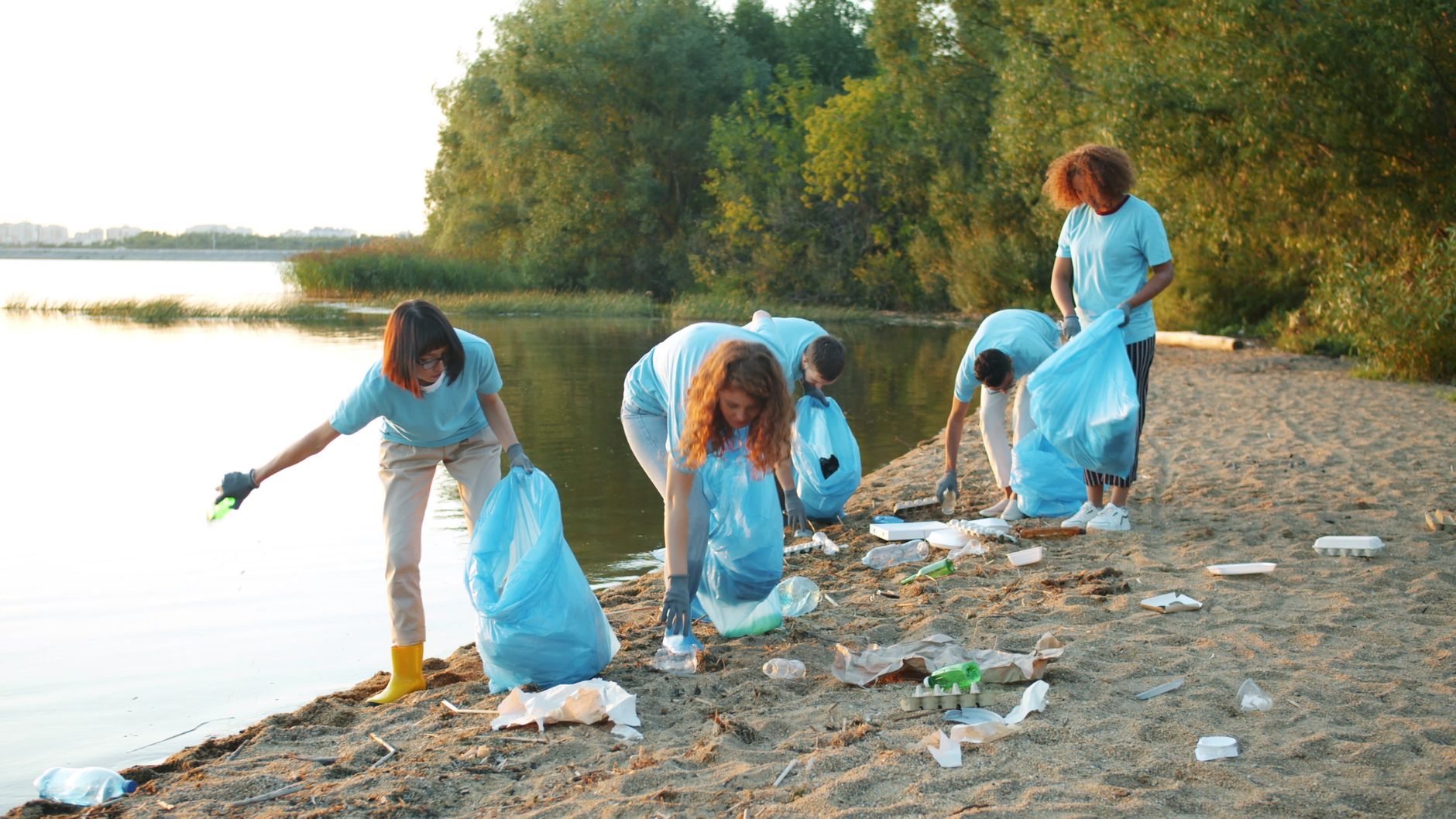
A standard session runs 90 minutes to two hours between mid-tide and low water. Volunteers work a marked stretch, usually 300 to 800 metres, sweeping the strandline where plastic collects. Most weight comes from rope, bottle tops, wet wipes and polystyrene rather than the dramatic items new volunteers expect to find.
Turnout matters less than structure. Twelve briefed volunteers with hoops, buckets and a weighing scale will out-perform forty who arrive with no instructions. Pair people up, give each pair one numbered section, and set a hard finish time so the weigh-in, group photograph and bag handover all happen while everybody is still on site.
Waste disposal decides whether the day works. Filled sacks left above the tide line get torn open by gulls within an hour, so agree a collection point with the district council or landowner in advance. Confirm that uplift in writing, including who removes fishing gear, gas canisters and any sharps your team may find.
Kit, Costs and Sourcing Without a Grant
Budget realistically before you promise anything. Litter pickers cost £8 to £14 each, collection hoops £6 to £10, and heavy-duty sacks around 30p. A twenty-person kit therefore lands near £350 to buy outright, which is why most new groups borrow from a council loan scheme for their first three cleans.
Second-hand sourcing cuts that figure sharply. High-visibility vests, waterproofs and children’s wellingtons turn up constantly in the best charity shops in London and in smaller coastal towns, often at £3 to £6 an item. Donating clothes to charity UK shops in return builds the relationship you will want later for raffle prizes and storage space.
Indoor space is the hidden line item. If you plan a briefing, a sorting session or a thank-you tea, the village hall hire cost UK groups pay typically runs £10 to £25 an hour, with lower community rates for constituted volunteer groups that hold public liability insurance and can show a risk assessment.
| Item | Typical cost | Notes |
|---|---|---|
| Adult litter picker | £8 to £14 | Buy 1 per 2 volunteers; children share safely |
| Collection hoop and bag | £6 to £10 | Reusable; far cheaper than sacks long term |
| Heavy-duty sacks (pack of 10) | £3 | Rated for wet sand and glass |
| Hi-vis vest, second-hand | £3 to £6 | Charity shops and end-of-line workwear stock |
| Digital hanging scale | £12 to £18 | Essential for reporting weight per session |
| Village hall hire, per hour | £10 to £25 | Community rate needs insurance evidence |
Permissions, Landowners and Local Politics
Ownership below mean high water usually sits with the Crown Estate, though the National Trust, harbour boards, MOD estates and private owners all hold significant stretches. A single email naming your date, stretch and expected numbers is normally enough, but allow three weeks for a reply during summer.
Insurance is the second gate. Public liability cover of £5 million costs a small group roughly £60 to £150 a year, and most councils will not lend equipment or issue a waste uplift without seeing the certificate alongside a one-page risk assessment covering tides, weather and manual handling.
Recruitment runs on existing networks rather than posters. Anyone who has typed neighbourhood watch scheme how to start into a search bar is exactly your audience: residents who want visible, low-commitment local action close to home. Approach those coordinators, school eco-committees and rugby clubs before spending anything on printed flyers.
Getting Your Clean onto the Parish Agenda
Parish and town councils control small grants of £100 to £500, and they can waive hall fees outright. The parish council meeting rules UK bodies follow require agenda items to be submitted to the clerk in advance, typically seven clear days before the meeting, so an informal chat at the door achieves nothing.
Send the clerk a half-page proposal with your date, insurance status, expected attendance and the exact sum requested. Attend in person, speak during the public participation slot, and bring a photograph of a previous clean. Councillors approve concrete requests far more readily than open-ended offers of community enthusiasm.
Safety, Tides and the Volunteer Briefing
Every beach clean volunteer guide UK organisers trust puts the briefing ahead of the picking. Check tide tables for the full session window, never work a stretch that cuts off, and identify your nearest access point, defibrillator and mobile signal before the first volunteer arrives on site.
Set three hard rules aloud: gloves stay on, nothing sharp goes into a hand, and anything suspicious gets flagged rather than lifted. Ordnance, chemical drums, dead seals and medical waste are reported to the coastguard on 999 or the local council, and the area is marked and left alone.
Under-16s need an accompanying adult at a ratio of roughly one to four, and under-8s should stick to lightweight items above the strandline. Keep a written attendance list, a basic first aid kit and one named person who does not pick litter and instead watches the water and the weather.
From a Single Clean to a Standing Community Project
Momentum fades unless you give volunteers something for the eleven months between cleans. Record every session in a shared spreadsheet with date, weight, item counts and attendance, then publish it. Data turns a friendly morning into evidence that unlocks grants, press coverage and support from the local authority.
The same core group usually expands sideways. Starting a community garden UK councils will back on unused verge land, launching a community fridge, or learning how to run a village fete all draw on identical skills: a rota, a risk assessment, a bank account and one person who chases suppliers.
Food-related projects pair naturally with coastal work because both run on surplus. Volunteers regularly ask how to volunteer at food bank sessions after a clean, and a community fridge sits alongside that: how it works is simple, with shops donating short-dated stock that anybody can take, no referral needed.
Registering, Funding and Governance
Below £5,000 income you can operate as an unincorporated association with a written constitution and a bank account. Above that threshold, research how to set up a charity through the Charity Commission, appoint at least three unrelated trustees, and expect the registration process to take two to four months.
Signpost carefully rather than duplicating services. Understanding the UK food bank referral process, where a professional such as a health visitor, school or advice worker issues a voucher, stops your group from promising help it cannot deliver and keeps referrals moving to the organisations already equipped to handle them.
How Do I Organise My First Beach Clean With No Experience?
Start smaller than feels ambitious. Pick a stretch you already walk, choose a date roughly six weeks out that falls on a falling tide during daylight, and email the landowner and the council waste team on the same day. Borrow equipment rather than buying it, and cap your first session at fifteen volunteers so the briefing stays manageable. Recruit through two channels only: a local Facebook group and one existing organisation such as a school, church or sports club. Write a one-page risk assessment, arrange public liability cover, and confirm the waste uplift in writing. Weigh the haul, photograph the group, post the total within 24 hours, and announce the next date immediately. Following that sequence, most first-time organisers in this beach clean volunteer guide UK framework complete a safe, well-attended session without spending more than £40.
Is Public Liability Insurance Really Necessary for a Small Group?
No law forces a group of friends to insure a casual litter pick, but practical barriers make cover close to essential once you advertise publicly. Landowners, harbour authorities and parish councils routinely ask for a certificate before granting permission, and equipment loan schemes almost always require one. Cover of £5 million costs a small constituted group roughly £60 to £150 a year through a specialist community insurer, and many umbrella organisations include member groups under a single policy at no extra charge. The realistic risks are mundane rather than dramatic: a slip on wet rock, a cut from buried glass, a volunteer’s car damaged by a reversing van. Without cover, liability can fall on the individual who organised the session, which is an unnecessary personal exposure for a two-hour community activity.
What Other Volunteering Suits People Who Enjoy Beach Cleans?
Beach cleaners tend to like short, visible, outdoor commitments with a measurable result, and several roles match that profile closely. Conservation task days with wildlife trusts, towpath and footpath maintenance, and community orchard planting all run on similar two-hour formats. For those who want a governance role instead, researching how to become a school governor is a strong next step: it takes roughly six to ten hours per term, requires no teaching background, and vacancies are advertised through local authorities and governor recruitment services. Larger set-piece events suit the organisers among your group, since planning how to run a village fete draws on exactly the licensing, insurance and rota skills a coastal clean already teaches. Rotating people between these roles keeps a small volunteer base engaged year-round.