
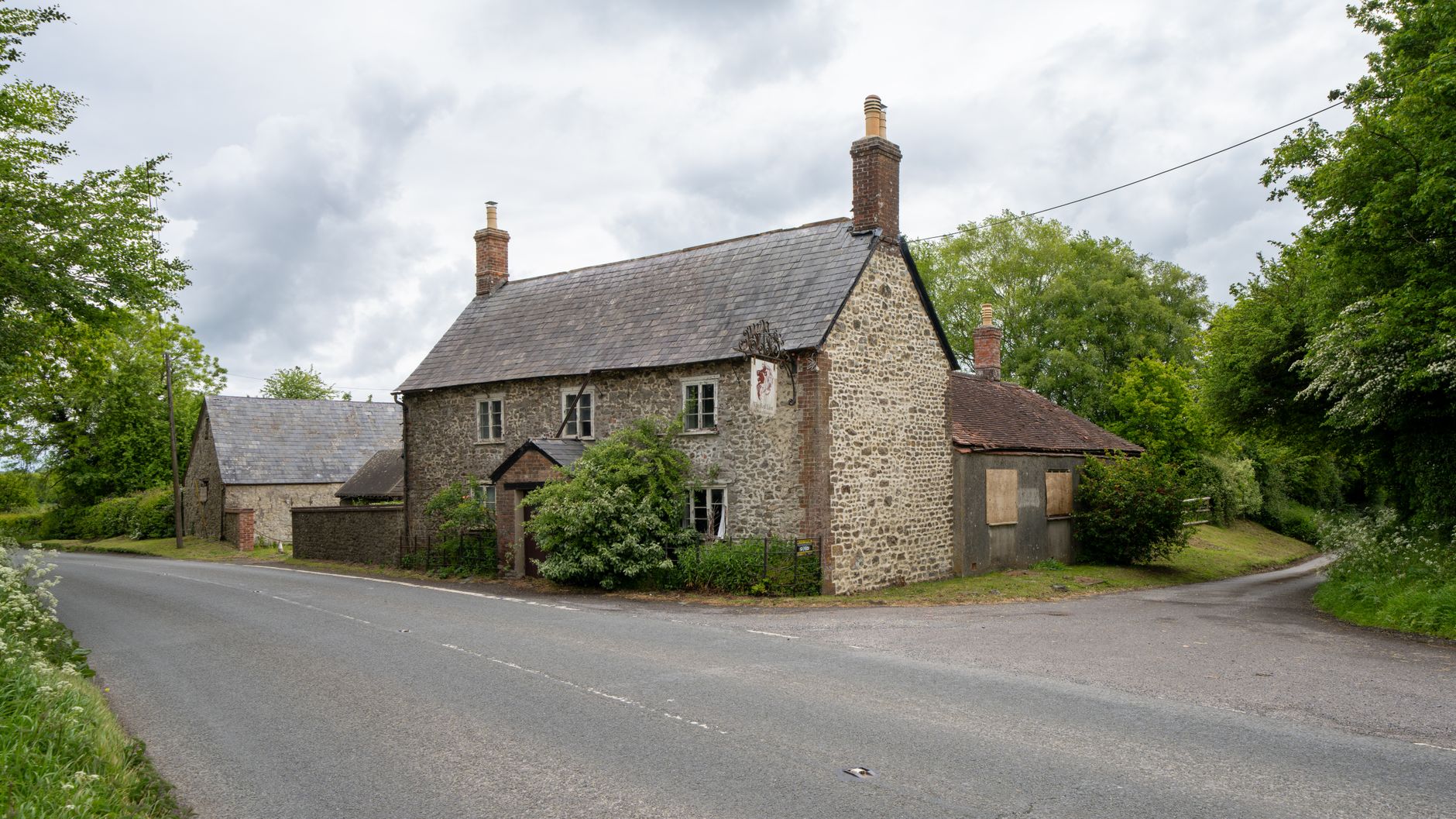
Asset of Community Value Nomination Guide for Local Groups
This asset of community value nomination guide explains how a local group can protect the pub, shop, library or playing field that holds a neighbourhood together. Written for parish groups and residents’ associations across Essex and beyond, the asset of community value nomination guide below covers eligibility, evidence, the six-week moratorium, the full six-month window and what happens when a listing is refused. The Localism Act gave communities in England a right to bid, not a right to buy, and several thousand assets sit on council registers as a result. A nomination costs nothing to submit, takes a competent volunteer roughly eight to twelve hours to assemble, and buys your group a legally recognised pause of up to six months to raise funds. Get the paperwork right and the odds are good: councils accept a clear majority of well-evidenced nominations.
What Actually Counts as an Asset of Community Value
The statutory test is narrower than most groups expect. Current or recent use of the building or land must further the social wellbeing or social interests of the local community, and it must be realistic that such use continues for the next five years. Sport, culture and recreation all qualify explicitly under the regulations.
Village pubs, post offices, allotments, swimming pools, scout huts, football grounds and branch libraries dominate the national list. A hall hosting a toddler group on Monday and a choir on Thursday qualifies easily; a private office block does not. Where a site carries several uses, list every one with dates, attendance figures and named organisers.
Exclusions matter as much as inclusions. Residential property, caravan sites, operational land held by statutory undertakers and most Crown land sit outside the scheme. A flat above a village pub does not defeat a nomination, because the regulations allow residential parts that are ancillary to the qualifying use — say so plainly on the form rather than hoping nobody notices.
Assets councils list most often
- Free houses and community-run pubs facing conversion to housing
- Village halls, church halls and Scout or Guide huts
- Recreation grounds, cricket squares and skate parks
- Post offices, last-shop-in-village premises and petrol stations
- Allotment sites and informal green space with long-standing public use
- Swimming baths, bowls pavilions and working men’s clubs
Councils publish both the successful register and the list of refused nominations, and the failures are instructive. Most are turned down for thin evidence rather than for being the wrong sort of building, so read your own authority’s register before drafting anything and copy the structure of the nominations that actually succeeded.
Who Can Nominate, and How to Get Your Group Ready
Only a qualifying body may nominate: a parish council, a neighbourhood forum, an unincorporated community group with at least 21 local electors, a charity, a community interest company, an industrial and provident society, or a company limited by guarantee. Each must demonstrate a local connection to the authority’s area or a neighbouring one.
The 21-member route is the fastest. Twenty-one people on the electoral roll, a one-page constitution and a named secretary are enough, and the whole structure can be agreed in a single evening. Groups that later want grant funding usually ask how to set up a charity, or register as a CIC, once the listing is secure.
Parish councils carry extra weight because they are statutory bodies with published minutes. Parish council meeting rules uk require agendas to be posted three clear days beforehand and allow a public participation slot, so getting your nomination onto the agenda creates a dated, citable, independently verifiable record of community support at zero cost.
Recruit the same civic-minded residents who already research how to become a school governor or work through a neighbourhood watch scheme how to start checklist. People who chair meetings, minute decisions and chase paperwork are worth far more to a nomination than enthusiastic supporters who only sign the petition and share the post.
Building the Evidence File Behind a Strong Nomination
Evidence, not sentiment, decides these cases. Every claim on the form should carry a source: booking diaries, membership lists, fixture lists, dated photographs, newsletters, a council grant award letter. An assertion such as the hall is well used will fail; 412 bookings across nine user groups in a typical year will not.
A serious asset of community value nomination guide pushes you towards documents you already hold. Hire ledgers are the single strongest exhibit, because they prove frequency and demand at once, and they let you argue viability by comparing your income against the prevailing village hall hire cost uk benchmark.
Viability is the argument most nominations underplay. Show the site can trade: a hall charging £10 to £22 an hour at community rates and £30 to £45 for private hire, running at 60 per cent occupancy on weekday evenings, is a going concern rather than a nostalgic hope. Attach the arithmetic as an appendix.
Documents worth collecting before you write a word
Owners often object that use was merely occasional. Pre-empt that by covering a full calendar: the summer fete, the autumn quiz, the Christmas market, the weekly bowls club. Groups working out how to run a village fete on the site should log ticket numbers and stallholder counts, because hard footfall figures answer the objection directly.

After Listing: Moratorium, Right to Bid and Raising the Money
The council must decide within eight weeks and notify the owner, who may request an internal review within eight weeks of listing and then appeal to the First-tier Tribunal. A listing lasts five years, is recorded as a local land charge, and becomes a material consideration in subsequent planning decisions.
| Stage | Statutory clock | Who acts | Typical cost |
|---|---|---|---|
| Decision on nomination | 8 weeks | Local authority | £0 |
| Owner notifies intended disposal | Any time in the 5 years | Owner | £0 |
| Interim moratorium | 6 weeks | Group registers written interest | £0 |
| Full moratorium | 6 months from notice | Group assembles funding and bid | £3,000 to £15,000 |
| Protected period | 18 months from notice | Owner may sell freely afterwards | n/a |
| Listing expiry | 5 years | Group re-nominates | £0 |
Listing does not create a right of first refusal. It creates time. When the owner triggers a relevant disposal, an interim six-week moratorium lets your group register a written intention to bid, and doing so extends the pause to six months measured from the owner’s original notice date.
Spend those six months on money rather than meetings. A community share offer, Architectural Heritage Fund support, Public Works Loan Board borrowing routed through the parish council, and match funding from the district authority are the four usual pillars. Budget £3,000 to £15,000 for survey, valuation and conveyancing before you make any offer.
When the moratorium ends, the owner may sell to whoever they choose at whatever price, and no further moratorium applies for eighteen months from that first notice. Groups treating the listing as a victory rather than a starting gun tend to watch the building sell to a developer anyway.
From Paper Listing to a Building That Earns Its Keep
A saved building needs a business model inside its first trading year. The strongest reopened assets stack complementary uses: a café at the front, hireable rooms upstairs, a post office counter two mornings a week, a rehearsal space on winter evenings. Single-use buildings fail; mixed-use buildings cover insurance, heating and repairs.
Low-capital projects fill the gap while fundraising continues. Starting a community garden uk style on a corner of the car park costs under £600 in raised beds, topsoil and a water butt. Pin a plain community fridge how it works notice by the door: surplus food in, anyone may take, no referral required.
That distinction matters, because the uk food bank referral process runs on vouchers issued by a GP surgery, school or support worker, whereas a fridge stays open to everyone. Residents asking how to volunteer at food bank sessions can be redirected onto the fridge rota whenever voucher-handling training places are full.
Retail sharpens the finances quickly. Donating clothes to charity uk collection points in the lobby earn rag-trade income of roughly £250 to £500 a tonne, and a two-day pop-up modelled on the best charity shops in london — tight curation, steamed stock, priced by desirability rather than by weight — can clear £900 across a weekend.
How do I use this asset of community value nomination guide to submit a nomination?
Download your council’s nomination form, which is normally a four-page document covering the nominating body, the asset boundary and the community use case. Attach a Land Registry title plan with the boundary outlined in red, because an unclear boundary is the most common technical refusal. Write the community use section as dated facts with sources attached, not as an appeal to sentiment. Include your constitution and the names and addresses of your 21 local electors if you are nominating as an unincorporated group. Email the pack to the council’s asset of community value officer and request written acknowledgement, then diarise the eight-week deadline. Tell the owner yourself before the council does; a courteous letter often prevents a defensive internal review request later on.
Is a listing on the register enough to stop a developer buying the site?
No, and any group told otherwise has been misled. Listing creates a right to bid, never a right to buy or a right of veto, and the owner is under no obligation to accept your offer even if it is the highest on the table. What the listing genuinely delivers is a six-month breathing space in which a community group can commission a valuation, launch a share offer and approach funders on equal footing with a commercial purchaser. It also carries real weight in planning terms, since councils must treat the listing as a material consideration when assessing change of use, and several appeal decisions have turned on it. Treat the listing as leverage and time, not as protection in itself.
What happens if the council refuses the nomination or the owner appeals?
Refusal is not the end. The council must give written reasons, and those reasons usually point at a fixable gap — insufficient evidence of recent use, an unclear boundary, or doubt about realistic future use. There is no formal appeal for an unsuccessful nominating group, but nothing prevents you from resubmitting with a stronger evidence file, and resubmissions succeed regularly once the original weakness is addressed. Where the asset is listed and the owner objects, they may request an internal review within eight weeks, heard by a senior officer not involved in the original decision, with a further right of appeal to the First-tier Tribunal. Send a representative to the review, bring your hire ledgers, and keep the tone factual rather than adversarial.