
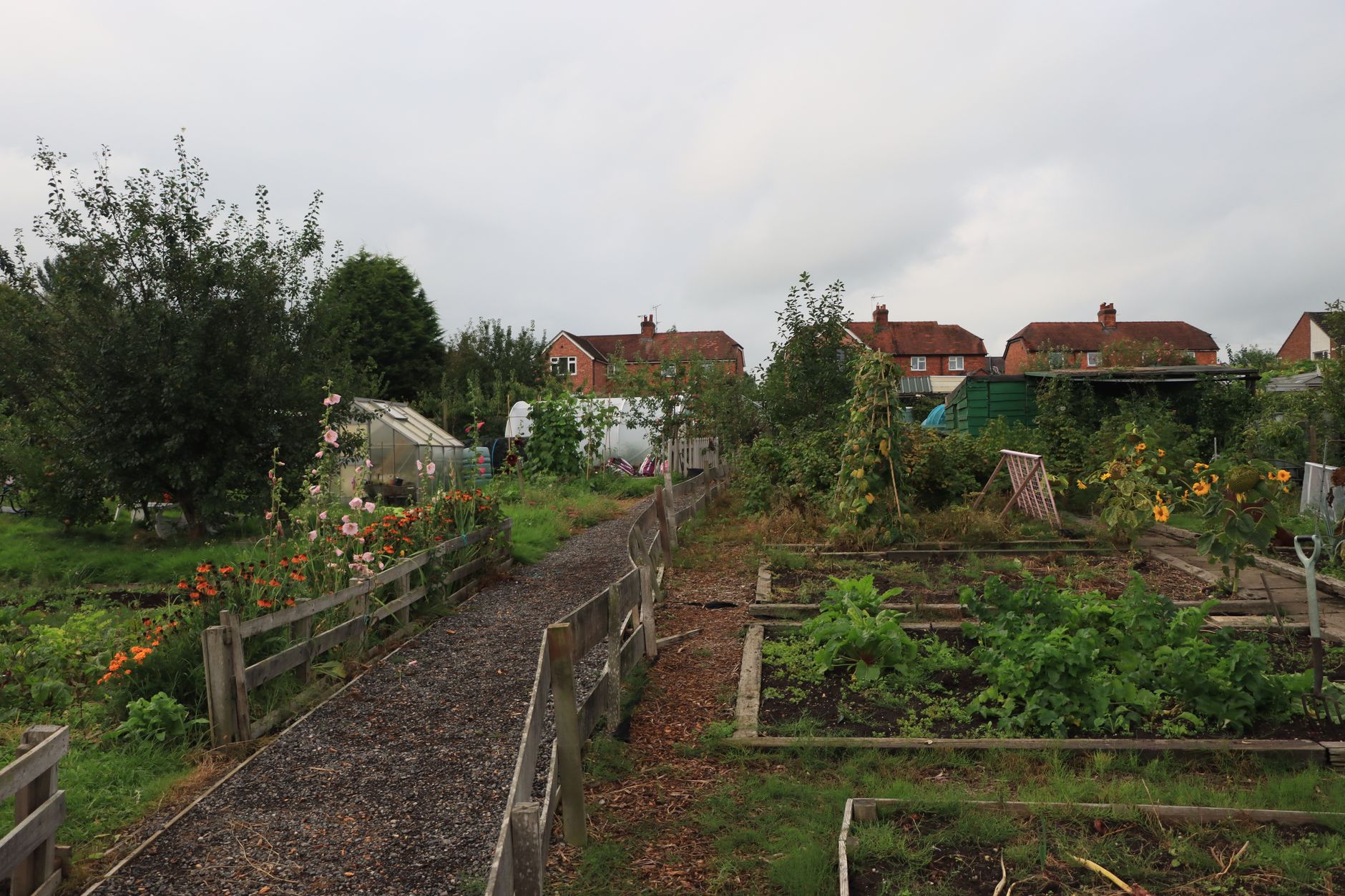
How to Find the Best Allotment Near Me in Essex
Finding an allotment near me was, for years, treated as a retirement hobby; it is one of the fastest-growing requests made to parish councils across Essex. Demand rose sharply after households discovered that a standard ten-rod plot, roughly 250 square metres, can produce between £600 and £1,200 of vegetables a season for a rent of under £100. This guide explains how plots are allocated, what they actually cost, how long waiting lists run, and what a realistic first twelve months looks like on heavy Essex clay. It also covers the questions people rarely ask before signing a tenancy agreement: water access, shed rules, cultivation clauses, and the eviction triggers hidden in most council contracts. Whether you want three raised beds or a full working plot, the practical steps below will move you from browsing to planting far more quickly.
What an „Allotment Near Me” Search Really Returns
Three ownership models dominate the results. Statutory council sites are protected by law and rarely closed; parish and town council sites are cheaper but smaller; private fields attached to farms or churches charge more and offer fewer protections. Checking which category a site falls into before you apply changes how secure your tenancy really is.
Plot sizes are still quoted in rods, a medieval measure of 5.03 metres. A ten-rod plot equals roughly 250 square metres, a five-rod plot about 125, and a starter bed can be as small as 30. Most Essex sites split full plots in two to shorten their queues.
Distance matters more than size. A plot fifteen minutes’ walk away gets visited four or five times a week; one requiring a thirty-minute drive gets visited fortnightly and reverts to couch grass by August. Prioritise proximity over the perfect south-facing aspect every single time.
Council Sites Versus Private Fields
Council tenancies typically run year to year with a twelve-month notice period and rent capped by committee. Private landlords can raise rent annually and terminate on shorter notice, though they often permit polytunnels, poultry and larger sheds that council rules forbid. Read the clause list before choosing convenience over long-term security.
What an Allotment Costs Across the UK
Rent is the smallest line in the budget. Annual charges across the UK commonly range from £25 for a five-rod parish plot to £125 for a ten-rod council plot in the South East, with concessions of 25 to 50 percent for pensioners, students and benefit claimants.
Setup costs dominate year one. Expect £40 to £90 for a decent spade and fork, £25 for a watering can and hose fittings, £60 to £150 for scaffold-board raised beds, and £120 upward for a second-hand shed. Buying tools used from site clearances roughly halves that figure.
Return on investment is real but slow. A well-run ten-rod plot yields 150 kilograms of potatoes, onions, beans, squash and soft fruit, worth several hundred pounds at supermarket prices. The break-even point usually arrives in the second season, once compost bins and water butts are established.
| Plot type | Approx. size | Typical annual rent | Realistic weekly hours |
|---|---|---|---|
| Starter bed | 30 sq m | £15 – £30 | 1 – 2 |
| Quarter plot | 60 sq m | £20 – £45 | 2 – 3 |
| Half plot (5 rod) | 125 sq m | £25 – £70 | 3 – 5 |
| Full plot (10 rod) | 250 sq m | £45 – £125 | 6 – 10 |
| Private field plot | 250 sq m + | £120 – £250 | 6 – 12 |
Getting Onto the Waiting List Faster
Anyone searching for an allotment near me should apply to every site within a three-mile radius on the same day. Councils maintain separate lists per site, and there is no penalty for holding multiple applications. Households applying to a single site wait two to four years; those applying to five often start within nine months.
Ask about half-plot and shared tenancies explicitly. Many sites hold vacant half plots that never reach the public list because nobody has requested one. A shared tenancy with a neighbour or colleague also splits rent, workload and holiday cover, and site secretaries generally welcome that arrangement.
Volunteer before you are offered anything. Turning up to two working parties makes your name familiar to the committee that allocates plots, and vacancies created by eviction or resignation are frequently filled informally from that small pool of known, reliable faces.
Paperwork, Deposits and Site Rules
Bring proof of address, a deposit of £10 to £50, and standing order details to the handover meeting. Read the cultivation clause carefully: most contracts require 75 percent of the plot in active use within twelve months, with two written warnings preceding repossession of the tenancy.
Your First Twelve Months of UK Allotment Gardening
Clear in stages, never all at once. Cover two-thirds of the plot with cardboard and heavy black polythene, then cultivate the remaining third properly. UK allotment gardening fails most often when beginners dig 250 square metres in March and abandon the weeds by July.
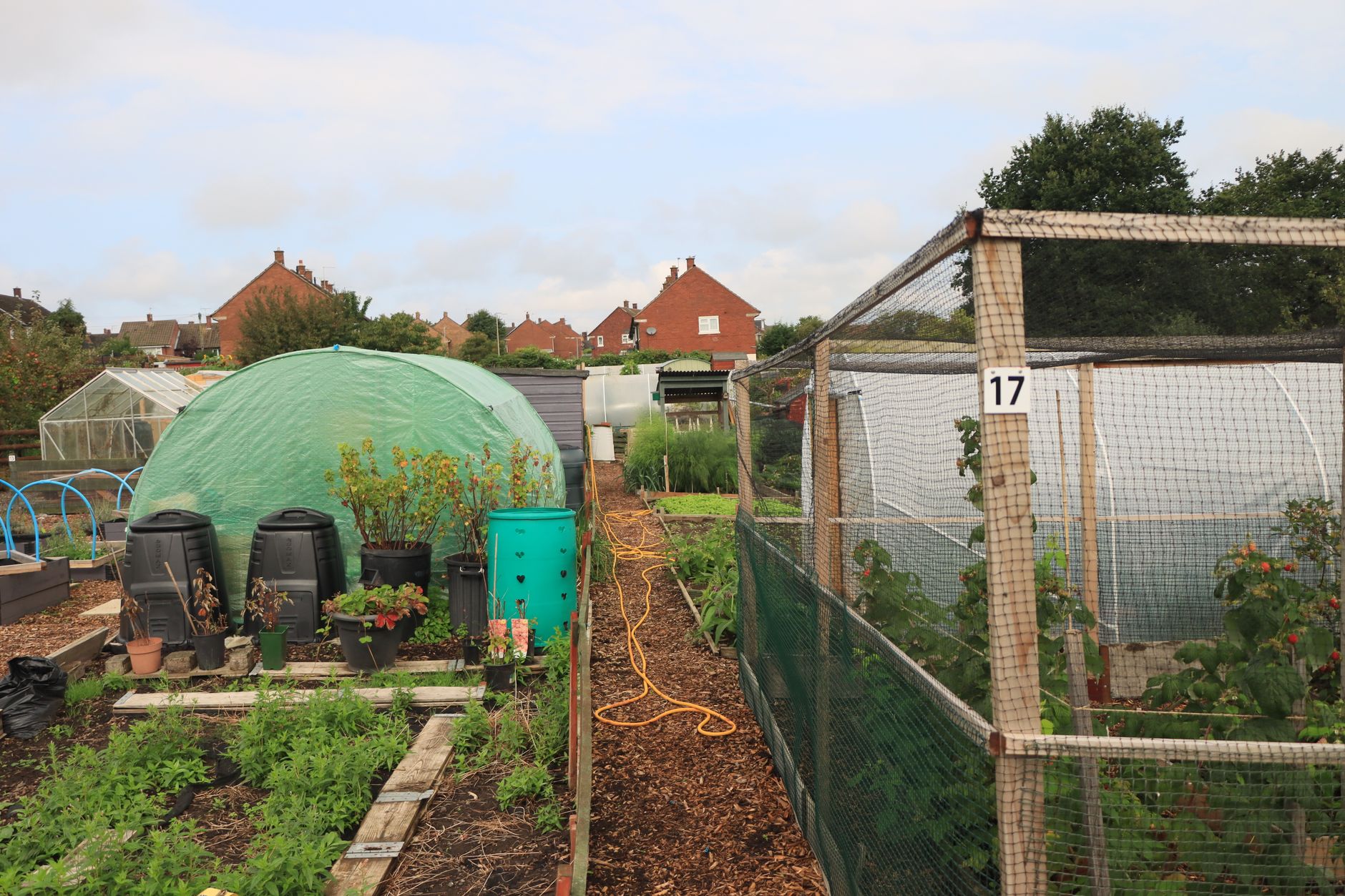
Test and feed the soil early. Essex clay holds nutrients but drains badly; two barrows of well-rotted manure per bed and a £12 pH kit prevent three seasons of guesswork. Aim for pH 6.5, and lime the brassica bed the autumn before planting anything.
Plant what you actually eat. Courgettes, runner beans, chard, garlic and maincrop potatoes reward beginners; celeriac, cauliflower and aubergines punish them. Experienced growers on Essex sites dedicate roughly a quarter of the plot to soft fruit, which crops for a decade with minimal ongoing work.
The wider allotment gardening UK community is generous with surplus. Seed swaps in February, spare brassica plants in May and glut courgettes in August circulate freely between plots, and a single season of accepting those offers usually saves £70 in seed costs.
Building the Plot Into the Rest of Your Week
Pair the plot with errands you already run. Residents who search for dog walking parks near me often discover their site sits on the same green corridor, turning one trip into two. Our community pages mapping parks for dog walking near me list six Essex routes that pass allotment gates directly.
Plan holidays around the growing calendar instead of fighting it. The best UK travel destinations for gardeners fall outside June to September, when watering rotas matter most. Readers comparing travel destinations in UK guides usually shift coastal breaks to late autumn, when a plot needs only a fortnightly check.
Cover is the only genuine solution for longer trips. Swap watering duties with two plot neighbours, and book packages such as Hays Travel destinations from UK airports for shoulder-season weeks. Shortlists of the best travel destinations UK families favour peak in August, exactly when tomatoes and beans demand daily attention.
Harvest gluts need a plan before they arrive. Great British baking recipes turn a courgette mountain into freezer stock, and classic British baking recipes for apple and plum will work through a mature fruit tree in one afternoon. A £30 dehydrator handles whatever the oven cannot.
Winter is planning season, and the desk matters. The same corner used for home office setup ideas becomes where you draw a four-bed rotation, order seed during January discounts, and log sowing dates. A simple spreadsheet outperforms memory across a four-year rotation cycle every time.
- Apply to five sites within three miles on the same day
- Request half plots and shared tenancies by name
- Attend two working parties before an offer arrives
- Budget £150 for year one tools, £60 annually thereafter
- Cover two-thirds of the plot while you clear the rest
How long does it take to get an allotment near me?
Waiting times vary from three months to eight years depending on postcode and how many lists you join. Urban Essex sites near rail stations carry the longest queues; rural parish sites sometimes have plots standing empty. Applying to five sites simultaneously typically cuts the wait to under twelve months, and asking specifically about half plots, shared tenancies or overgrown plots nobody else wants can produce an offer within weeks. Councils review their lists annually and remove applicants who fail to respond, so confirm your interest in writing each year. Keep the same contact email throughout, because a bounced message is the commonest reason applications quietly disappear.
Is an allotment cheaper than buying vegetables from a supermarket?
Yes, from the second season onward, provided you count honestly. Rent of £25 to £125 plus £150 of first-year tools and seed will exceed your supermarket bill in year one. From season two, a ten-rod plot producing 150 kilograms of potatoes, onions, beans, squash, rhubarb and berries comfortably returns £500 to £900 at retail prices against roughly £60 of annual running costs. The saving is largest on soft fruit, herbs and salad leaves, where supermarket margins run highest and freshness fades fastest. It is smallest on staples such as maincrop potatoes and onions, which stay cheap to buy and storage-heavy to grow well.
What tools do you actually need in the first year?
Five items cover ninety percent of the work: a stainless steel spade, a four-tine fork, a Dutch hoe, secateurs and a 10-litre watering can. Budget £120 to £200 new, or around £50 at a site clearance sale, where retiring plot-holders sell better-made tools than most garden centres stock. Add a wheelbarrow only once you have somewhere secure to store it. Skip rotavators entirely; they chop perennial weed roots into thousands of new plants and set clay soil back two seasons. A pair of knee pads, a bucket for weeds and a sharpening stone matter more than any powered equipment during the first twelve months.