
Alzheimer’s Support Charities: How Essex Communities Rally Together
Alzheimer’s support charities form the backbone of dementia care across Essex, offering practical help long before families feel overwhelmed. Choosing between the many alzheimer’s support charities operating locally can feel daunting, so this guide breaks down exactly what each type provides. From memory cafés in Chelmsford to befriending schemes in Colchester, these organisations deliver services the NHS alone cannot cover. In 2025, roughly 982,000 people in the UK live with dementia, and Essex accounts for tens of thousands of those diagnoses. Local residents increasingly turn to community-led groups for respite, advice, and companionship. Whether you need a helpline at 2am or a weekly singing session, the right charity makes an enormous difference to both patients and carers. This article explains funding, real costs, volunteering routes, and how everyday community life, including pets and fundraising events, keeps these vital services running throughout the county.
What Alzheimer’s Support Charities Actually Provide
Most people picture fundraising tins, yet modern dementia charities deliver structured, professional services. The largest UK bodies, Alzheimer’s Society and Dementia UK, run helplines staffed by Admiral Nurses, while smaller Essex groups host memory cafés, singing circles, and carer meetings that reduce isolation for thousands of families every single week across the region.
Practical support ranges from free dementia advisers who explain a diagnosis to home visits that assess safety risks. Many alzheimer’s support charities also lend equipment such as memory clocks priced at £25 to £40 and dosette boxes, helping patients stay independent at home for months, or even years, longer than families first expected after diagnosis.
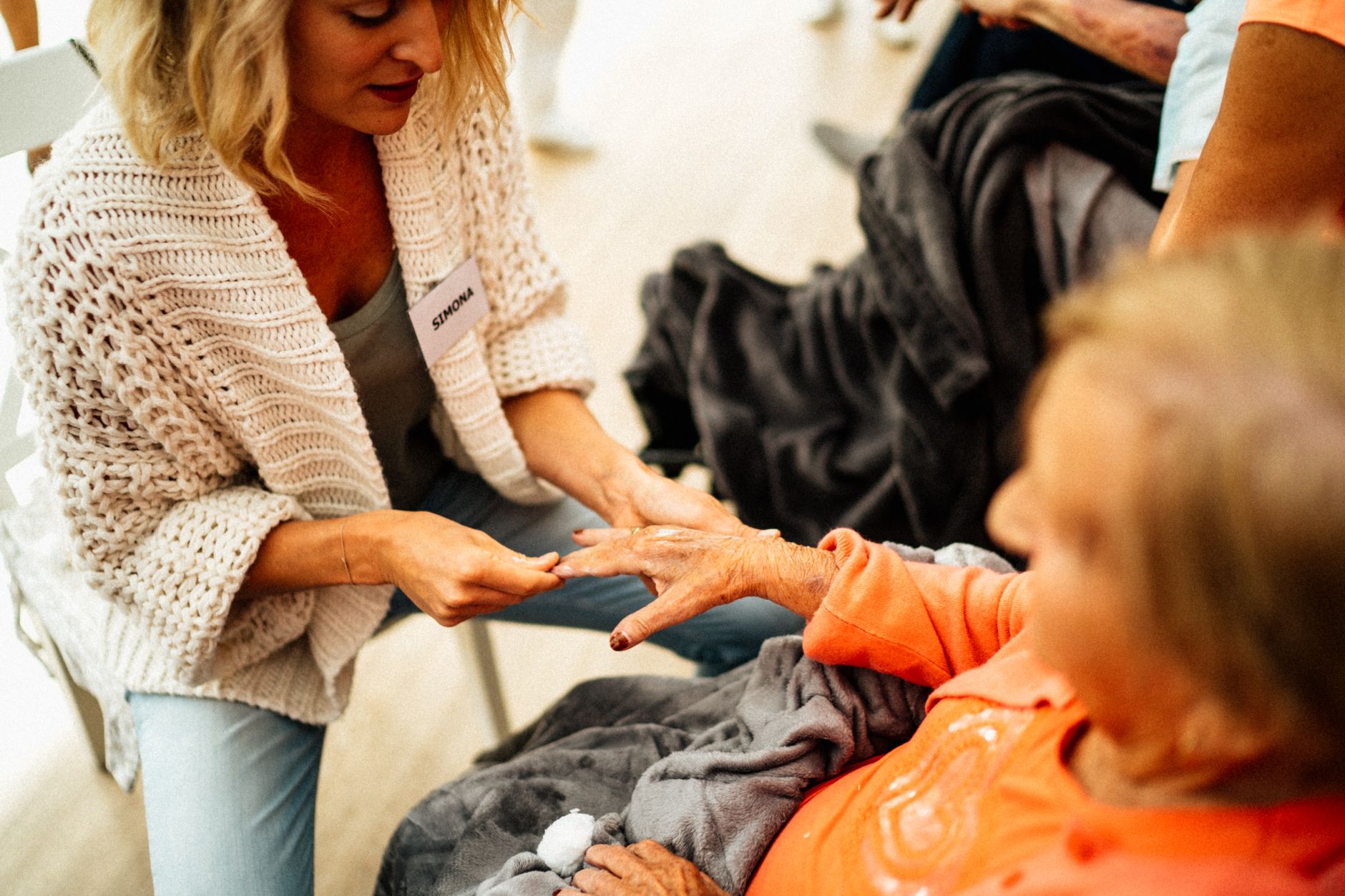
Emotional support matters just as much as logistics. Befriending volunteers visit weekly, offering conversation and a welcome break for exhausted carers. Group activities like gardening, choir, and gentle exercise stimulate cognition and preserve dignity. These low-cost, high-impact services explain why community-rooted charities consistently outperform generic national schemes for genuinely personalised, local care.
Helplines and Emergency Advice
The Alzheimer’s Society support line on 0333 150 3456 operates seven days a week, while Dementia UK’s Admiral Nurse line offers clinical guidance from qualified specialists. Calls are free from landlines and mobiles. For a 2am crisis, whether wandering, sudden aggression, or a fall, these lines provide immediate, judgement-free reassurance that no online article can ever replace.
Funding, Membership and the Real Costs Involved
Contrary to assumption, most frontline dementia services are free at the point of use, funded through donations, legacies, and council grants. Still, understanding where money flows helps you give wisely. Roughly 70% of Alzheimer’s Society income derives from voluntary donations, with the remainder coming from retail shops and corporate partnerships across the country.
Paid services do exist and are worth budgeting for carefully. Registered day-care centres charge £45 to £75 per day, respite breaks run £700 to £1,200 weekly, and private Admiral Nurse consultations may cost around £90 per hour. Comparing these prices against free charity equivalents often reveals substantial savings for families managing genuinely tight household budgets.
Donating need not strain your finances at all. A £5 monthly gift funds several helpline calls, while £20 sponsors an entire memory café session. Gift Aid adds 25% at no extra cost to you. Leaving even 1% of an estate as a legacy sustains alzheimer’s support charities for future generations across the county.
Grants and Council Support
Essex County Council offers carer’s assessments that can unlock direct payments averaging £50 to £150 weekly. Attendance Allowance provides £73.90 or £110.40 per week depending on the level of care needed. Many charities employ benefit advisers who help families claim these entitlements, recovering thousands of pounds that frequently go completely unclaimed each year.
How Community Fundraising and Companion Pets Sustain Local Care
Fundraising in Essex is delightfully local: sponsored walks, village fêtes, and dog-friendly rambles raise tens of thousands annually. Families often bring their pets along, and it is common to see owners who once searched for a french bulldog puppy for sale now walking proudly beside fundraisers, collection tins rattling across Colchester’s Castle Park on a bright Sunday morning.
Companion animals genuinely help dementia patients too. Research shows that stroking a calm dog lowers agitation and blood pressure. Some carers deliberately seek a puppy french bulldog for sale because the breed’s affectionate temperament suits gentle home visits, while others prefer a mini bulldog puppy for sale for its manageable size in smaller Essex flats and bungalows.
Local rescue days pair rehoming with fundraising in clever ways. You might spot a stall advertising a puppy for sale french bulldog alongside donation buckets, or families weighing a blue french bulldog puppy for sale against a rescue option. Every adoption fee donated feeds directly back into respite services and carer support budgets throughout the county.
Cost transparency matters here as well. The average french bulldog puppy price uk sits between £1,500 and £3,000, so charity pet-therapy schemes offer a wonderful alternative for those who cannot commit financially. Volunteers bring trained companion dogs into memory cafés, delivering the proven benefits of animal contact without any ownership expense at all.
Choosing the Right Charity and Support for Your Family
Selecting a charity mirrors any local search. Just as buyers type english bulldog puppy for sale near me to find trusted breeders nearby, carers should prioritise organisations with a genuine Essex presence. Proximity means faster home visits, familiar faces, and services carefully tuned to local transport links, dialect, and everyday community rhythms.
Check registration first, without exception. Every legitimate charity holds a number with the Charity Commission; verify it exactly as you would confirm a seller before responding to a puppy bulldog for sale near me listing online. Reputable groups publish annual accounts, safeguarding policies, and clear contact details rather than making vague, unverifiable promises.
Match services carefully to your current stage. Newly diagnosed families need advice and befriending; later stages demand respite and nursing input. The same due diligence you would apply to a british bulldog puppy for sale near me advert, checking references, visiting, and reading reviews, protects vulnerable relatives from well-meaning but under-resourced groups.
| Organisation / Service | Main service | Typical cost | Best for |
|---|---|---|---|
| Alzheimer’s Society | Helpline, advice, memory cafés | Free | Newly diagnosed families |
| Dementia UK | Admiral Nurse clinical support | Free | Complex clinical needs |
| Local Essex memory cafés | Social groups, activities | Free / £2 refreshments | Isolation and carers |
| Private day care | Structured daytime care | £45 to £75 per day | Carer respite |
| Age UK Essex | Befriending, benefits advice | Free | Practical everyday help |
Volunteering, Careers and Getting Involved
Volunteering sustains every service described above. Essex charities constantly need befrienders, café hosts, drivers, and fundraisers, asking for as little as two hours weekly. Training is free and often accredited. The commitment resembles the research a responsible owner invests before answering a french bulldog puppy for sale uk advert; preparation now prevents disappointment later on.
Corporate involvement is booming across the county. Local firms sponsor memory cafés, match employee donations, and lend meeting space generously. One Chelmsford agency even hosted a charity dog show where a puppy french bulldog for sale uk listing sat beside sponsorship forms, raising £3,400 in a single Saturday afternoon for carer respite funds.
Younger residents contribute meaningfully too. Sixth-formers earn Duke of Edinburgh hours, while dog-loving teenagers walk companion animals for housebound patients, some inspired after their own family answered an american bulldog puppy for sale near me advert. Every hour freed lets professional staff focus fully on complex clinical dementia needs.
How do I find reputable alzheimer’s support charities near me?
Start with the Charity Commission register, which lists every legitimate organisation and its finances online completely free. Search your postcode on the Alzheimer’s Society and Dementia UK websites to locate the nearest memory cafés and Admiral Nurse services quickly. Ask your GP surgery, which usually keeps a directory of vetted local groups. Personal recommendations from other carers, often shared at support meetings or on Essex community Facebook groups, carry enormous weight. Before committing, visit in person, confirm the charity number, and check that staff hold current safeguarding training. Reputable organisations welcome questions, publish clear contact details, and never pressure you for immediate donations or upfront fees.
Is help from local dementia charities really free for carers?
Yes, the vast majority of frontline services cost nothing at the point of use. Helplines, befriending visits, memory cafés, carer support groups, and dementia advisers are funded entirely through donations, legacies, and grants, so carers pay nothing to access them. Some specialist provisions do carry charges: registered day care typically costs £45 to £75 daily, and private nursing consultations reach around £90 hourly. However, benefit advisers within these charities frequently help families claim Attendance Allowance and carer’s payments worth over £100 weekly, often more than offsetting any paid extras. Always ask directly what is free before assuming a service requires payment, because transparency is standard practice.
What services should families expect from a local charity first?
Expect an initial conversation with a dementia adviser who explains the diagnosis in plain language and outlines immediate next steps clearly. Early support usually includes a home-safety assessment, signposting to benefits, and an invitation to a nearby memory café where patients and carers meet others facing similar challenges. Befriending schemes are typically offered within weeks, providing regular companionship and genuine respite. As needs progress, expect access to respite breaks, day-care referrals, and clinical guidance from Admiral Nurses. Good charities create a personalised support plan, review it regularly, and remain reachable by phone. This staged, relationship-based approach consistently outperforms one-off, impersonal interventions for long-term wellbeing.